

The Pixel 11 Pro's HiLight brings back the notification LED
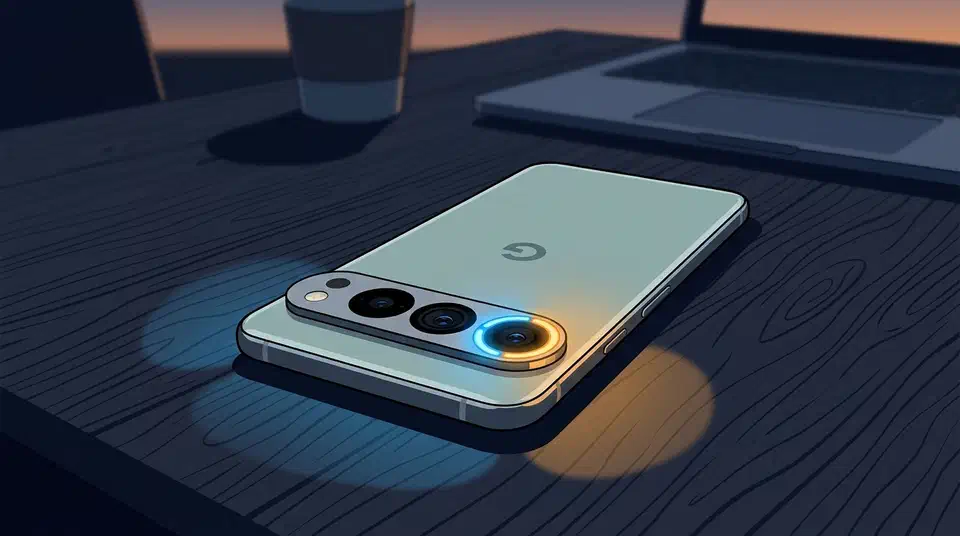
The Pixel 11 Pro’s HiLight brings the notification LED back to Android, but on the back of the phone. It puts a ring of colored LEDs around the rear camera flash. The lights glow only when the phone lies face down, for incoming calls and Gemini activity. Text alerts are promised for a later update.
Key Takeaways
- HiLight is a ring of colored LEDs around the Pixel 11 Pro’s camera flash.
- The lights glow only when the phone is face down, never screen-up.
- You can give each favorite contact its own color for calls.
- Gemini uses the glow to show it is listening, thinking, or replying.
- Text-message alerts are promised later, not ready at launch.
What is HiLight on the Pixel 11 Pro?
HiLight is a set of colored LED lights built into the ring around the rear camera flash. It ships on the Pixel 11 Pro and Pixel 11 Pro XL, and Google spells out what it does in the Pixel 11 launch post . This is a Pro-only feature. The standard Pixel 11 doesn’t get it.
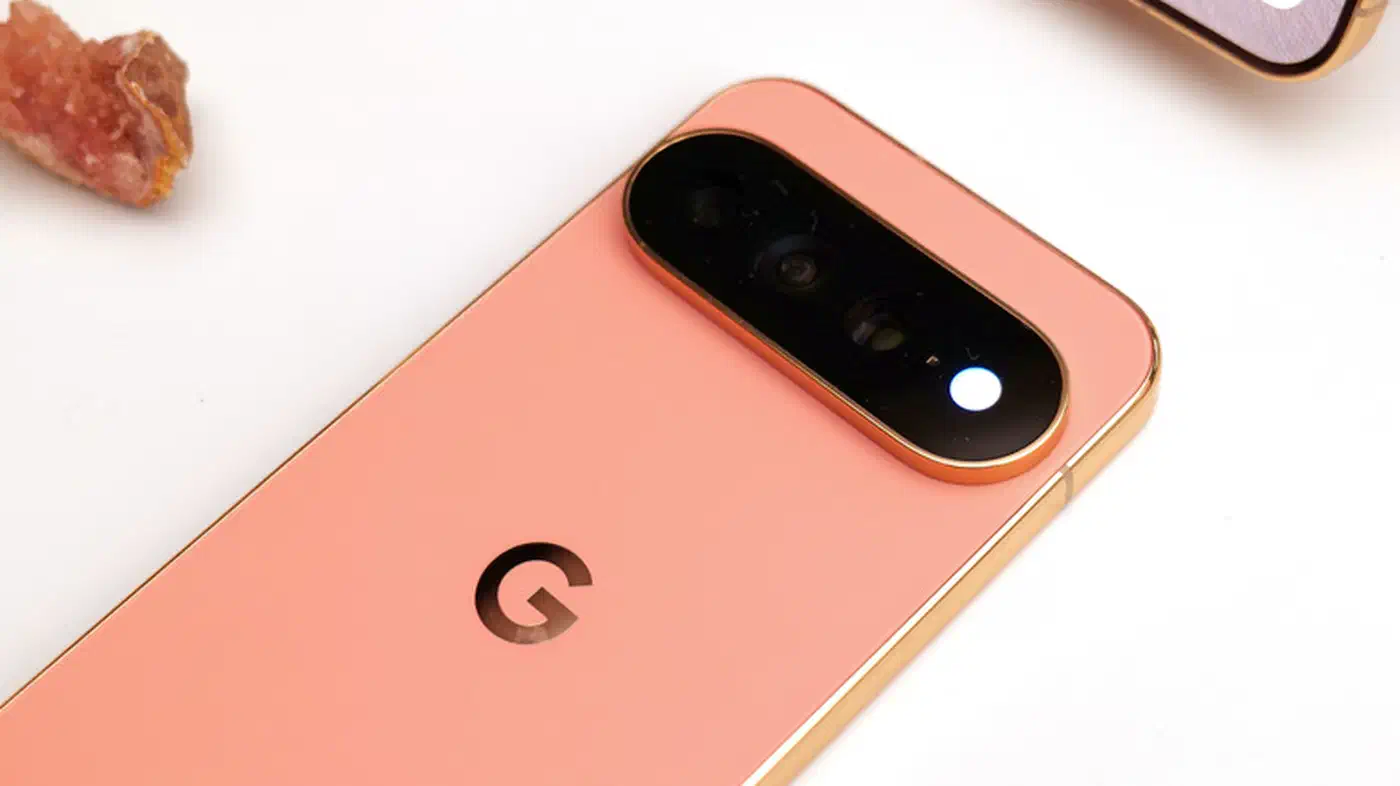
The whole idea is built around a face-down phone. Google says HiLight keeps you “connected, not distracted, when your phone is face down.” So the light glows to flag something worth a glance, without waking the full screen.
HiLight is glanceable colored light. It shows that something is happening and who it involves, but never the message itself. Engadget frames it as a modern take on the old indicator lights that phones used to carry, in its hands-on with the new models .
What each HiLight glow means
| Signal | What the light does | At launch |
|---|---|---|
| Gemini activity | Glows in different patterns for listening, thinking, and responding | Yes |
| Incoming calls | Shows a custom color you assign to a favorite contact | Yes |
| Messages from favorites | Named by Google as coming later | No |
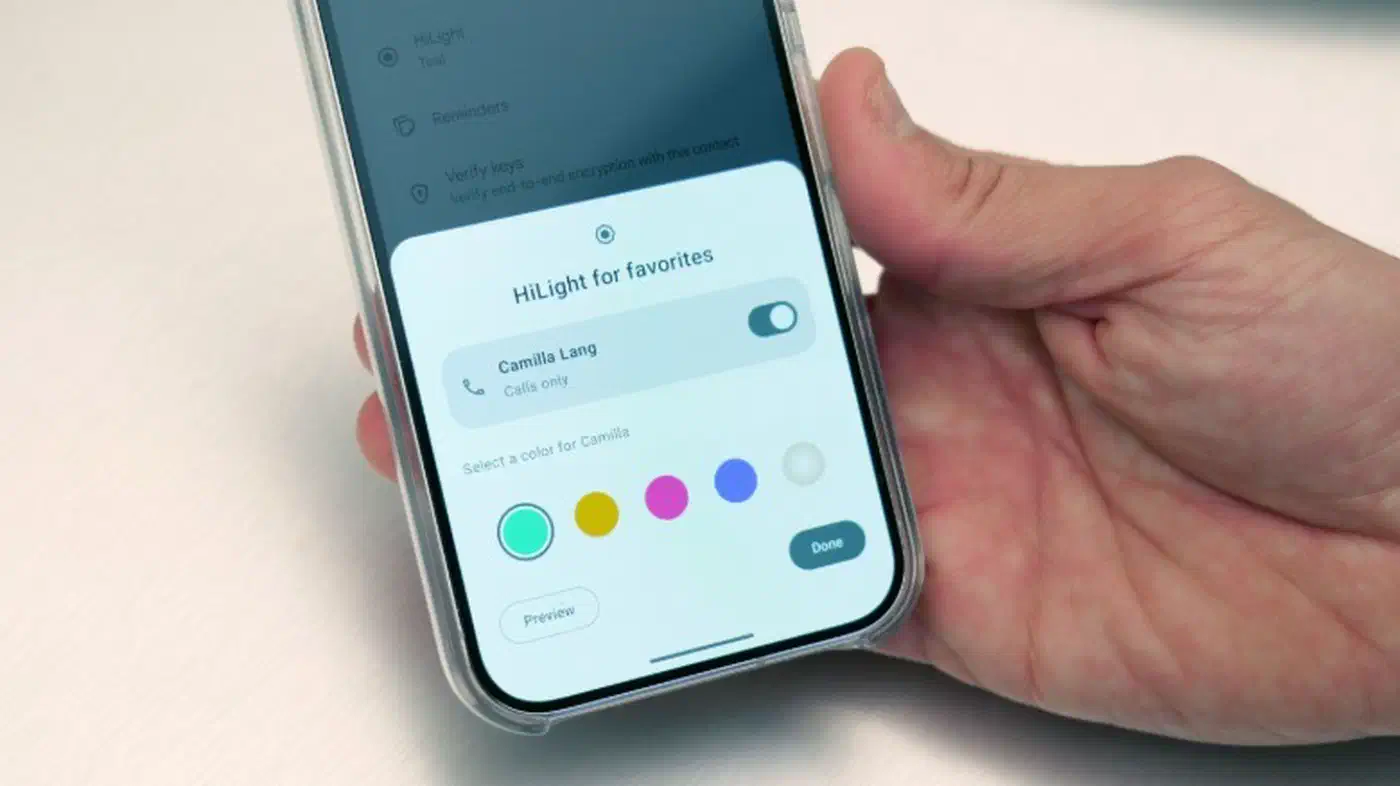
With Gemini , the glow gives feedback: it tells you the assistant heard you, so you are not talking into a silent phone. The one gap is texting.
the most obvious use case is for texting, especially since people under 40 don’t really call people anymore.
Why the notification LED disappeared around 2018
A returning light counts as news because it was once standard. The notification LED was a small, low-power dot on the front of nearly every phone through the mid-2010s. It blinked for calls and messages, as Wikipedia’s notification LED history records.
Then vendors dropped it, starting around 2018 and 2019. Three shifts drove the change: edge-to-edge screens left no bezel room for a front light, always-on displays took over the same job, and the switch from LCD to OLED let any pixel act as a light in software.
The last flagships to ship a front LED were the Samsung Galaxy S9 and the OnePlus 6, both from 2018. Sony held on with its Xperia line until roughly 2022. After that, the front light was effectively gone.
The industry traded a light you could see from across the room for a screen you had to wake and read. HiLight brings back the hardware light, but moves it from the front of the phone to the back.
Does a face-down back LED replace the front one?
Not quite, and the reason is where the light sits. The old front LED worked in the phone’s normal resting spot, screen up on a desk. It told you something was waiting with no action from you at all.
HiLight flips that around. The glow shows up only when the phone is face down on a table. That pose works because the thinner camera bar lets the phone rest nearly flat instead of rocking on a corner bump. That is a deliberate “be present” pose, and most phones don’t sit that way by default. So HiLight answers the meeting-and-meal moment, while the front LED owned the pocket-and-desk one.
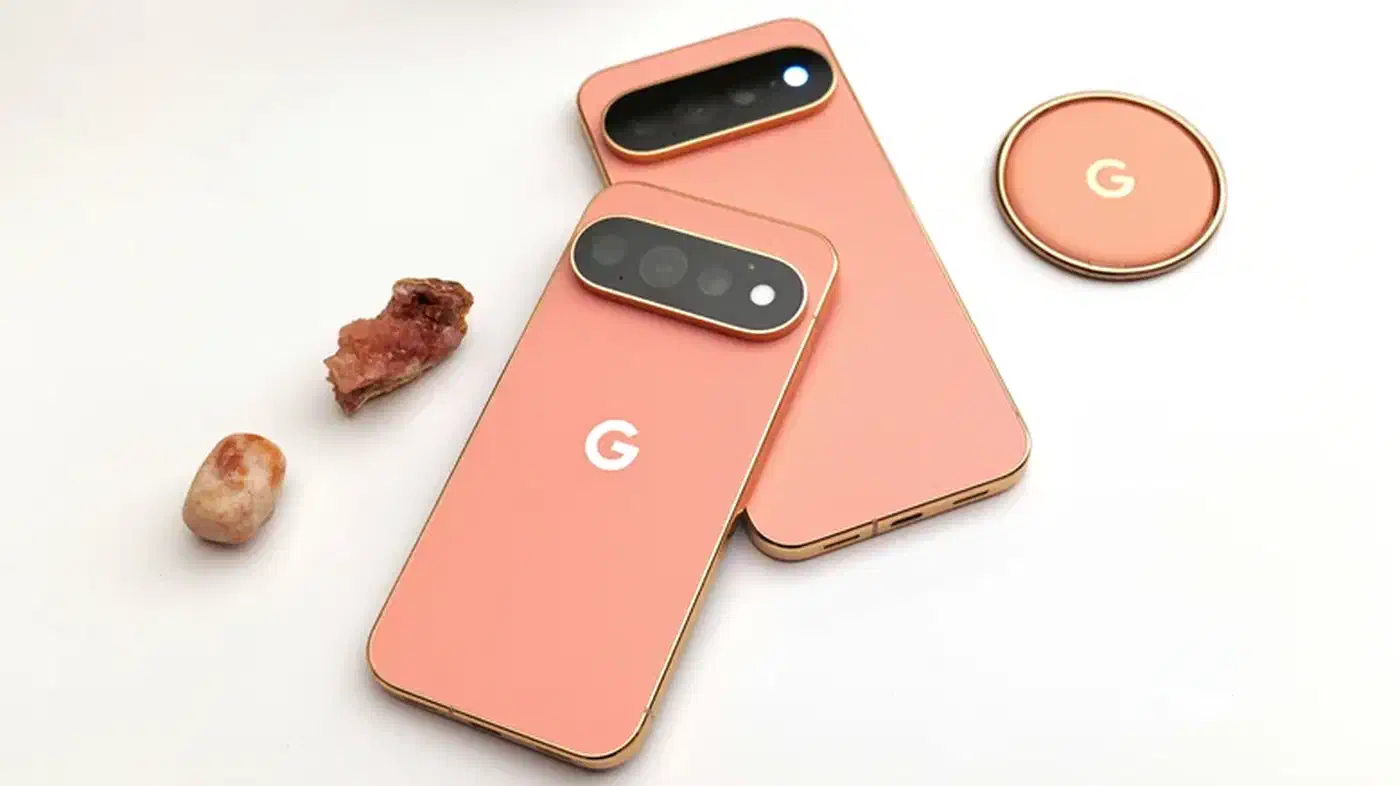
Google hasn’t said whether HiLight lights up when the screen is on, whether other apps can ever drive it, or whether it draws measurable battery. Those answers aren’t in the launch material.
Still, the verdict lands warm. Even limited to calls and Gemini, a hardware light that tells you who is calling without waking the screen is something no software always-on display did as cleanly. Engadget’s read is much the same: real potential held back by a thin launch list.
When you can get the Pixel 11 Pro and what is coming
HiLight ships on both Pro phones, so you need the Pixel 11 Pro or the Pixel 11 Pro XL to get it. Both went on sale August 20, 2026. At launch, the Pixel 11 Pro starts at $1,099 and the Pixel 11 Pro XL at $1,299.
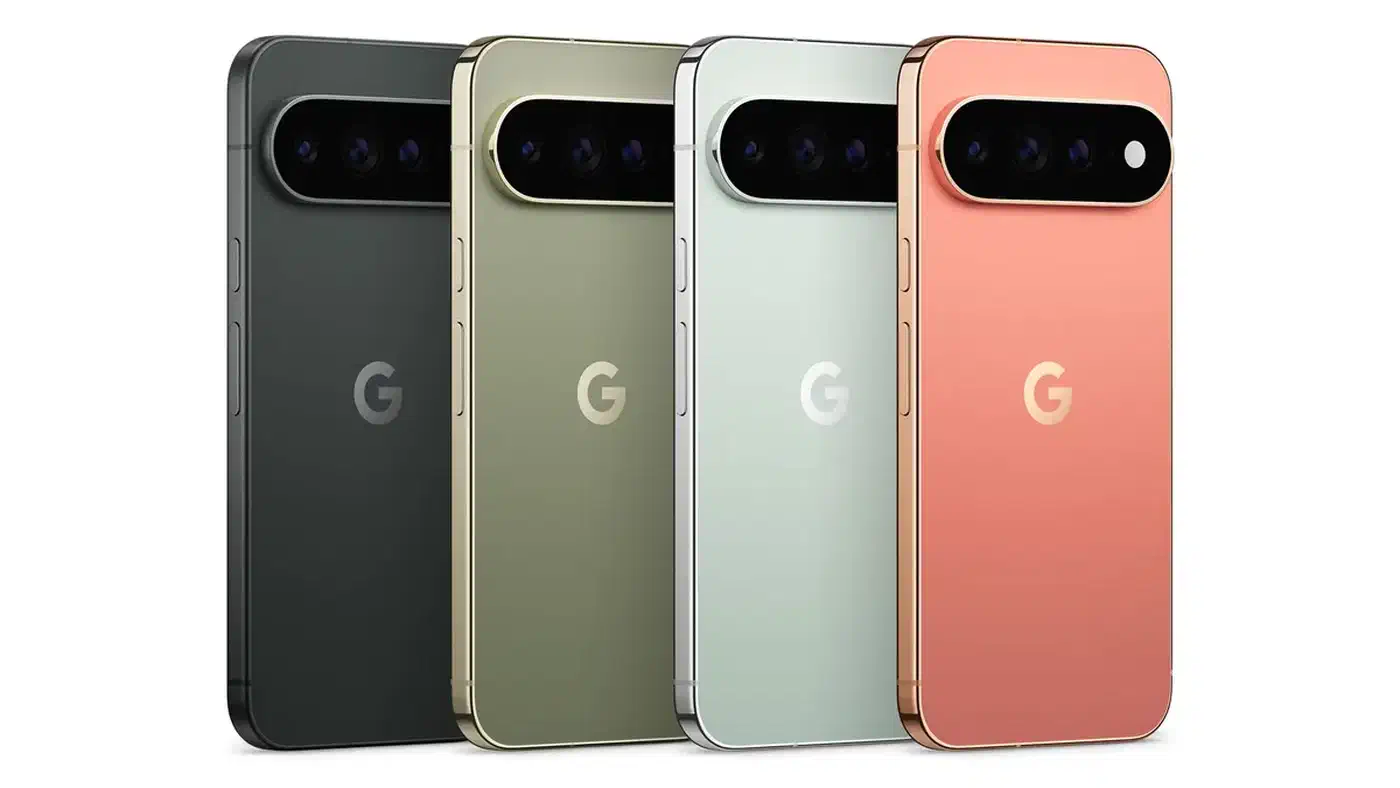
Google says more HiLight capabilities are coming over time, with message notifications from favorite contacts named first. Engadget expects that expansion in the “not-too-distant future,” so today’s list is likely just the start.