

A 40% thinner camera bar arrives on Google's Pixel 11

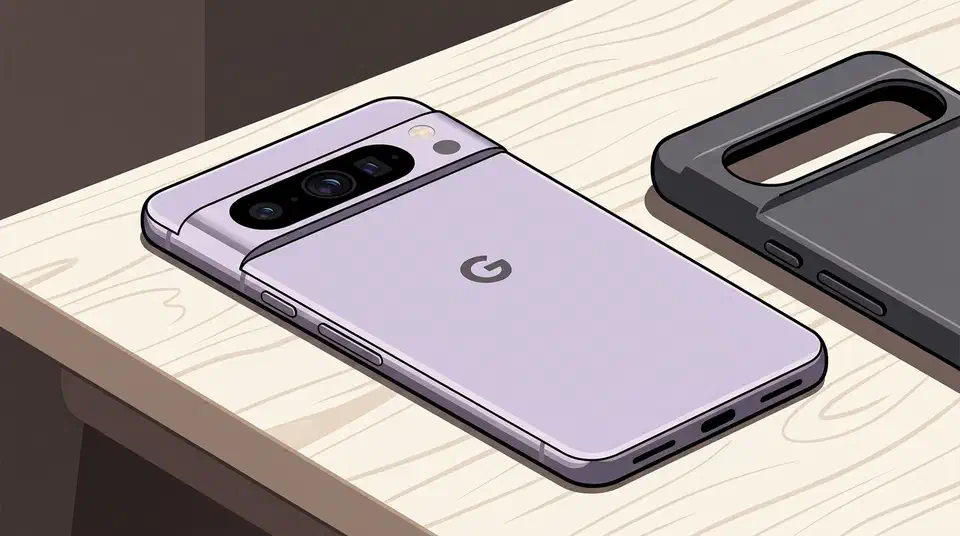
Google’s Pixel 11 camera bar is 40% thinner than the Pixel 10’s, and that one number does a lot of marketing work. Google never publishes an absolute height, calls the phone “virtually bumpless” only with its own case, and full-width Pixel bars already sat flat. So the gain is smaller than the headline suggests.
Key Takeaways
- The Pixel 11 camera bar is 40% thinner than the Pixel 10’s.
- Google shares only the percentage, never the real height in millimeters.
- The near-flat back only shows up with Google’s own case on.
- Full-width Pixel bars already sat flat, so wobble-free is old news.
- The body stays 8.5mm thick; only the bump got smaller.
How much thinner is the Pixel 11 camera bar?
Google says the camera bar’s thickness dropped by 40% starting with the Pixel 11. That figure comes straight from the Pixel 11 announcement . On its own, though, a percentage tells you almost nothing about the real change in your hand.
Google’s own footnote ties the 40% to “earlier generation base-model Pixel phones,” which leaves out the Pro models. So the figure compares one base Pixel to another and says nothing about the whole lineup.
Google also publishes only the percentage and never an absolute bar height, so you cannot check the figure against any spec sheet.
You can still estimate it. Reviewers who measured earlier Pixel bars put the protrusion somewhere around 3 to 3.5mm. A 40% cut would shave off roughly 1.2 to 1.4mm, leaving a bar that stands about 1.8 to 2.1mm proud of the glass. Treat that as a reviewer-derived estimate; Google never confirmed a figure.
The phone body itself did not get thinner. The Pixel 11 measures 152.8 x 72 x 8.5mm, and the Droid Life spec roundup shows that is essentially unchanged. Only the camera bar’s protrusion shrank.
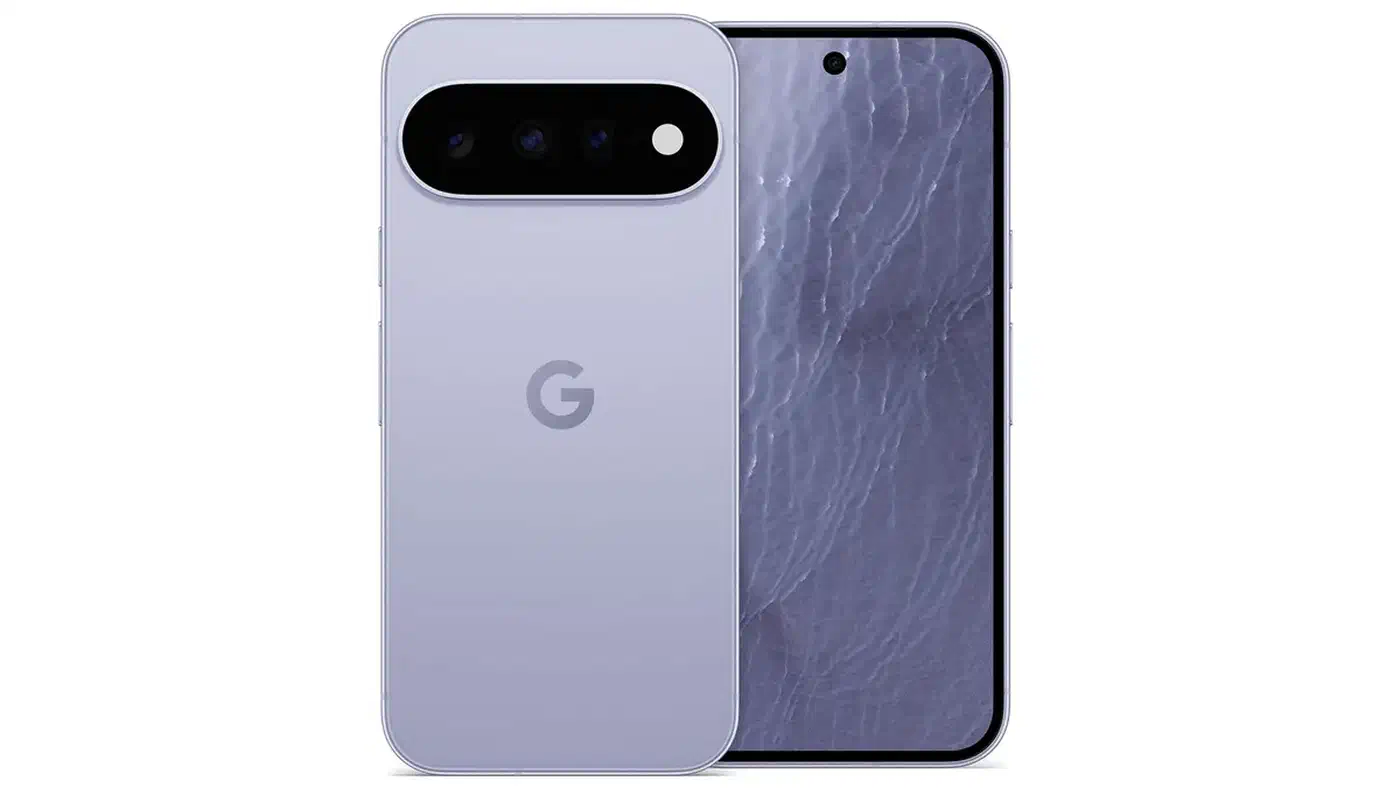
And starting with Pixel 11, the camera bar’s thickness was reduced by 40%, making the phone virtually bumpless when paired with a Made by Google case.
Is the Pixel 11 really bumpless?
Not on its own. Read Google’s sentence again and the condition is right there: the phone is “virtually bumpless” only when paired with a Made by Google case. Without a case, the bump is smaller than before but still present.
A first-party case adds material around the thinner bar, so the back reads as flat when the phone lies down.
For buyers, the practical effect is a small extra cost. To get the marketed flat back, budget for the official case. Run the phone naked or in a slim third-party shell and you should expect a modest bump instead.
The everyday gain that survives without a case is pocketability. A shallower bar slides in and out of a pocket with less catch, case or no case.
Does the Pixel 11 wobble on a desk?
Google also markets the phone as “completely wobble-free on flat surfaces,” which sounds like a fix for an old problem. The Pixel already solved that problem a generation ago, and the 40% cut had nothing to do with it.
The reason is geometry: Pixel’s camera bar spans the full width of the back, so it rests like a low shelf. That gives the phone two stable contact lines instead of a single off-center lump, and it stops the rock.
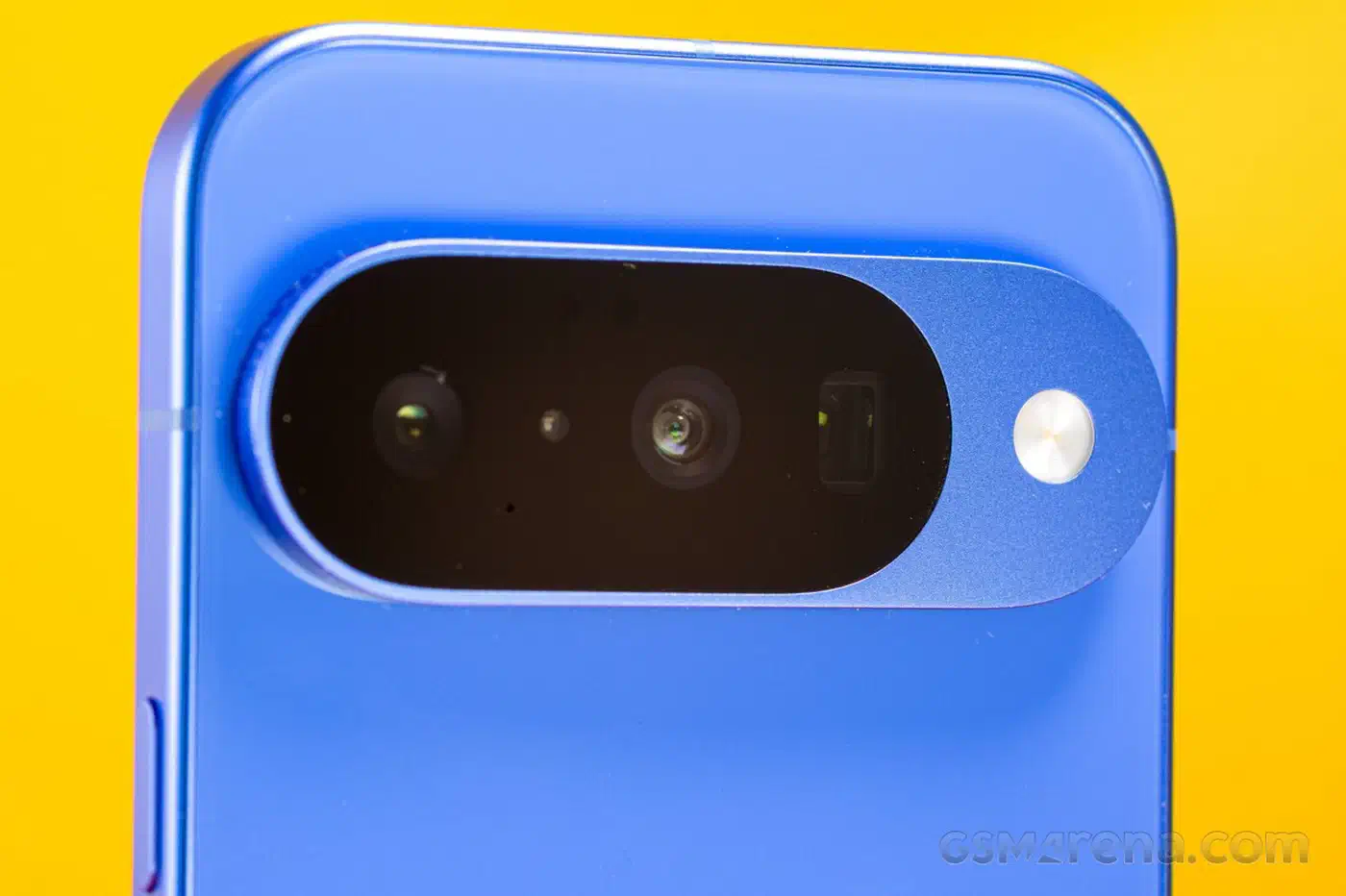
Independent testing backs this up. A GSMArena Pixel 10 review found the older phone already sat flat for the same reason, so a steady desk is nothing new and the Pixel 10 already had it.
The camera bump protrudes quite a bit, but since it spans across the back’s width, the handset doesn’t wobble on a flat surface.
The thinner bar still changes the feel. There is less overall lift off the desk, and a smaller ramp up to the screen when you tap the phone face-up.
The contrast is with rival phones that mount the cameras in one corner. Those islands do rock, because the mass sits off to one side. Pixel’s full-width bar sidesteps that by design.
What else changed in the Pixel 11 design
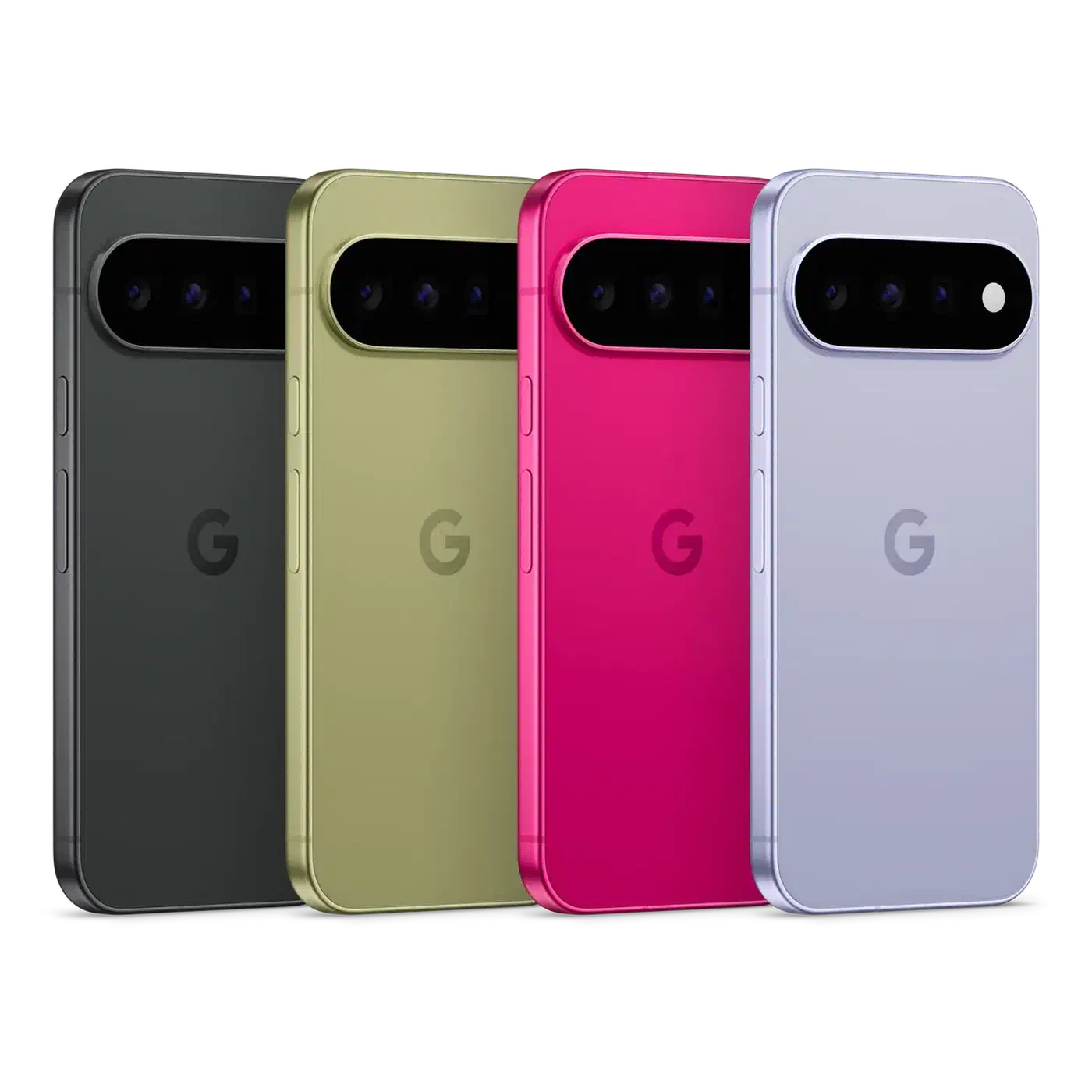
The thinner bar ships alongside a few smaller design tweaks. The clearest one is the camera housing, which is now blacked out. Earlier models wrapped the lenses in the frame color, while the Pixel 11 renders in the same Droid Life writeup show a single dark housing for a cleaner rear.
The dimensions stay close across the family, so the size story is mostly about which phone fits your hand.
| Model | Dimensions | Weight |
|---|---|---|
| Pixel 11 | 152.8 x 72 x 8.5mm | 197g |
| Pixel 11 Pro | 152.7 x 71.8 x 8.4mm | 204g |
| Pixel 11 Pro XL | 162.7 x 76.5 x 8.5mm | 226g |
On materials, Google pairs the design with a satin metal frame and a polished glass back, plus IP68 splash and dust resistance. The base Pixel 11 comes in Pistachio, Hibiscus, Frost, and Obsidian. The Pro pair swaps in Canyon, Fog, Olive, and a matte Obsidian.
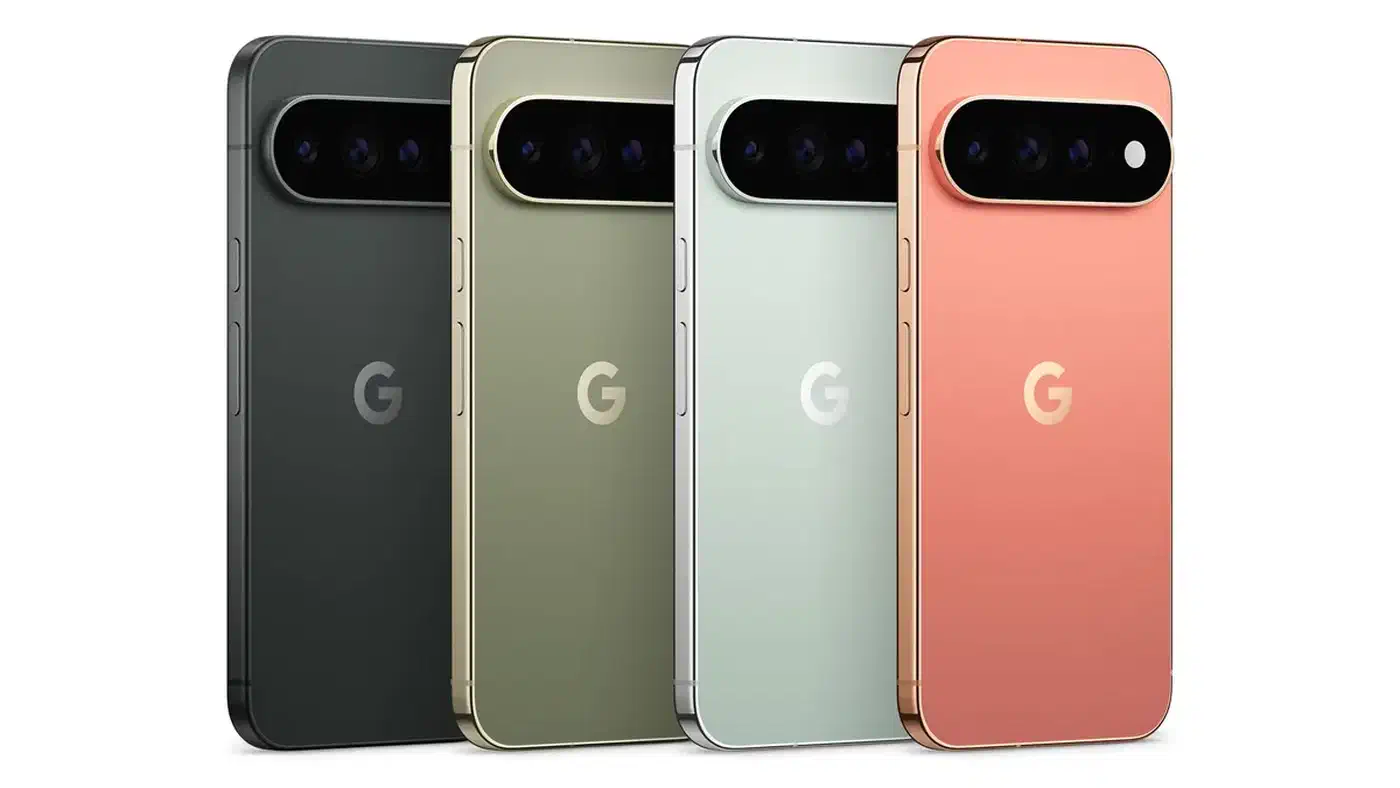
On the Pro models, that rear flash gains a ring of HiLight notification LEDs that glow for calls and Gemini activity.
None of this changes the core read. The thinner bar is a modest but real hardware win, and the bumpless and wobble-free lines lean on a case and on geometry the Pixel already had.