

What keeps the Galaxy S26 Ultra at a 5,000mAh battery?


The Galaxy S26 Ultra 5,000mAh battery is the seventh Ultra in a row at that exact number. Chinese rivals now ship 7,300mAh. Samsung’s own labs are testing packs of 12,000mAh, 18,000mAh and 20,000mAh. Four reasons get offered for the gap, and they don’t hold up equally well.
Key Takeaways
- Seven Galaxy S Ultra phones in a row have shipped the same 5,000mAh cell.
- A OnePlus 15 lasts almost seven hours longer and is 0.2mm thicker.
- Samsung’s labs test packs four times bigger than anything it sells.
- Samsung already ships silicon-carbon cells, just in its foldables.
- In the US it only races Apple, and Apple is not racing on capacity.
What the Galaxy S26 Ultra 5,000mAh battery delivers
The phone measures 163.6 x 78.1 x 7.9mm and weighs 214g, with a 5,000mAh cell behind a 6.9-inch panel. In GSMArena’s Galaxy S26 Ultra review it earns an Active Use Score of 16 hours 23 minutes. That’s a small gain on last year. The reviewers credit software tuning, not new hardware. Launch prices ran from about EUR 929 for 256GB to EUR 1,350 for 1TB.
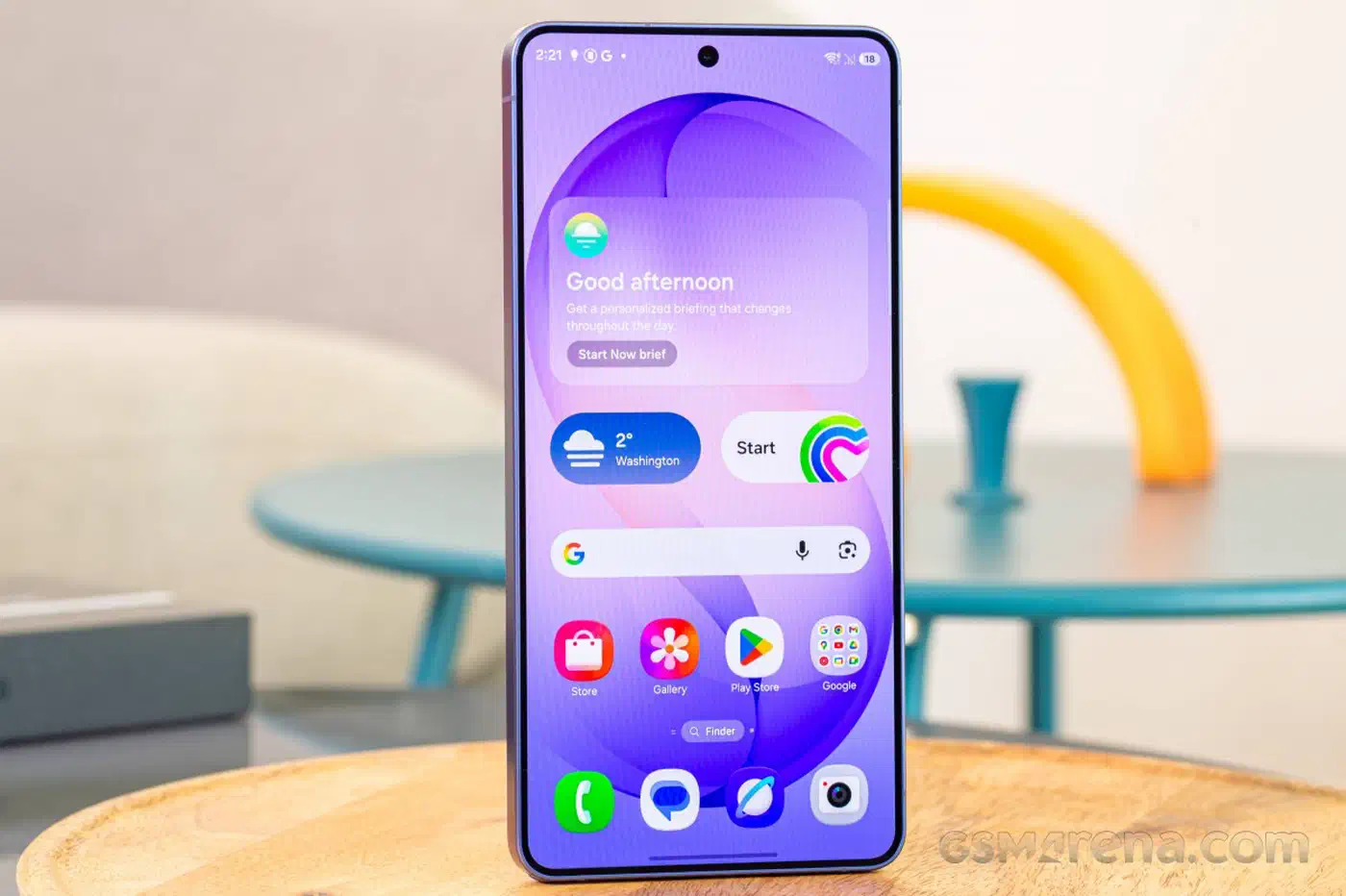
That number has held for seven straight years. Samsung’s own support pages list 5,000mAh for the S20 Ultra, S21 Ultra, S22 Ultra, S23 Ultra and S24 Ultra alike.
| Generation | Battery | Thickness |
|---|---|---|
| Galaxy S20 Ultra | 5,000mAh | 8.8mm |
| Galaxy S21 Ultra | 5,000mAh | 8.9mm |
| Galaxy S22 Ultra | 5,000mAh | 8.9mm |
| Galaxy S23 Ultra | 5,000mAh | 8.9mm |
| Galaxy S24 Ultra | 5,000mAh | 8.6mm |
| Galaxy S25 Ultra | 5,000mAh | 8.2mm |
| Galaxy S26 Ultra | 5,000mAh | 7.9mm |
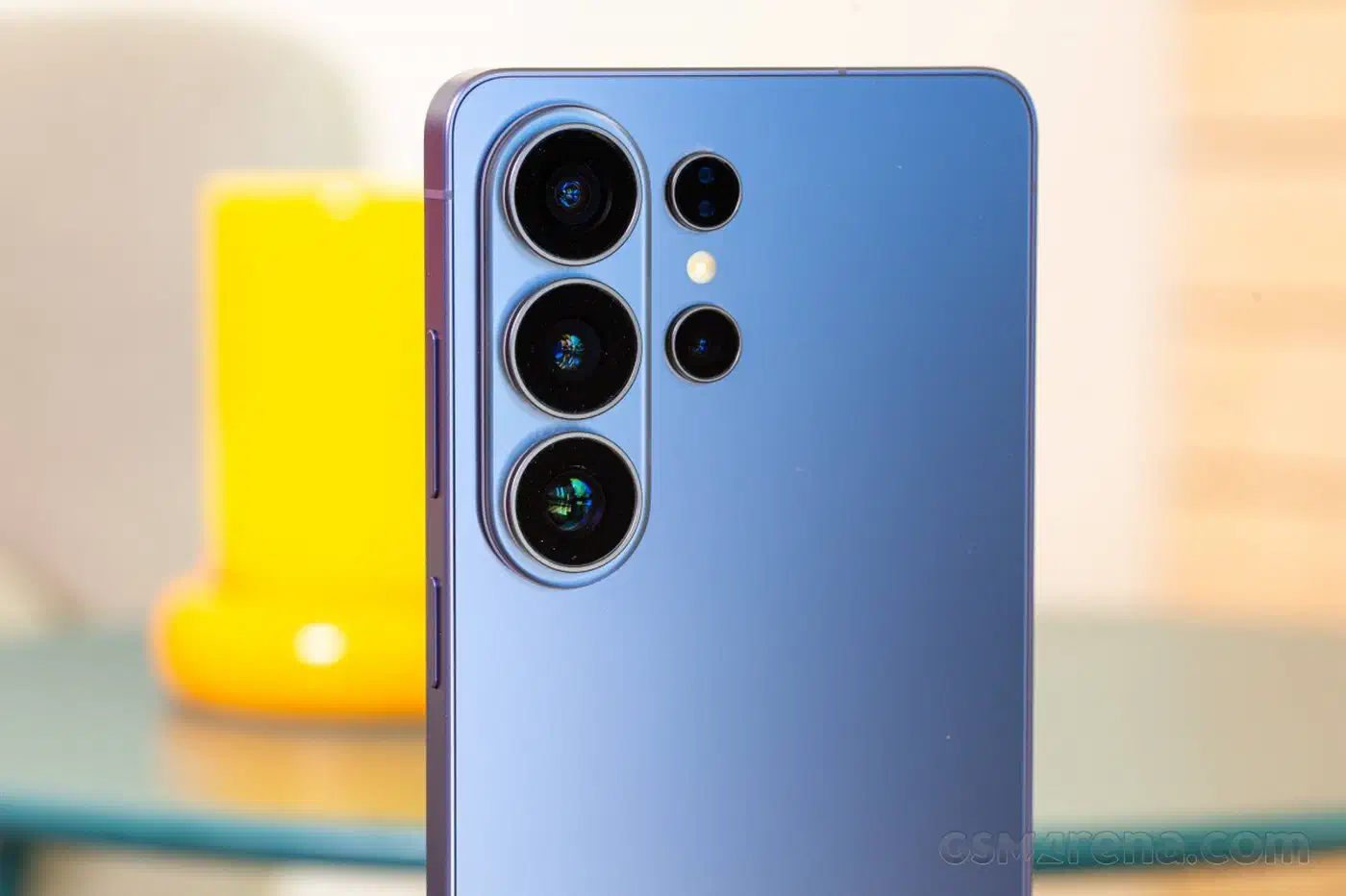
The OnePlus 15 runs a 7,300mAh silicon-carbon pack in a body 8.1mm thick. It posts an Active Use Score of 23 hours 7 minutes in GSMArena’s lab tests . Both phones run the same Snapdragon 8 Elite Gen 5 chip, so the chip is not the variable.
| Phone | Battery | Thickness | Active use |
|---|---|---|---|
| Galaxy S26 Ultra | 5,000mAh | 7.9mm | 16:23h |
| OnePlus 15 | 7,300mAh | 8.1mm | 23:07h |
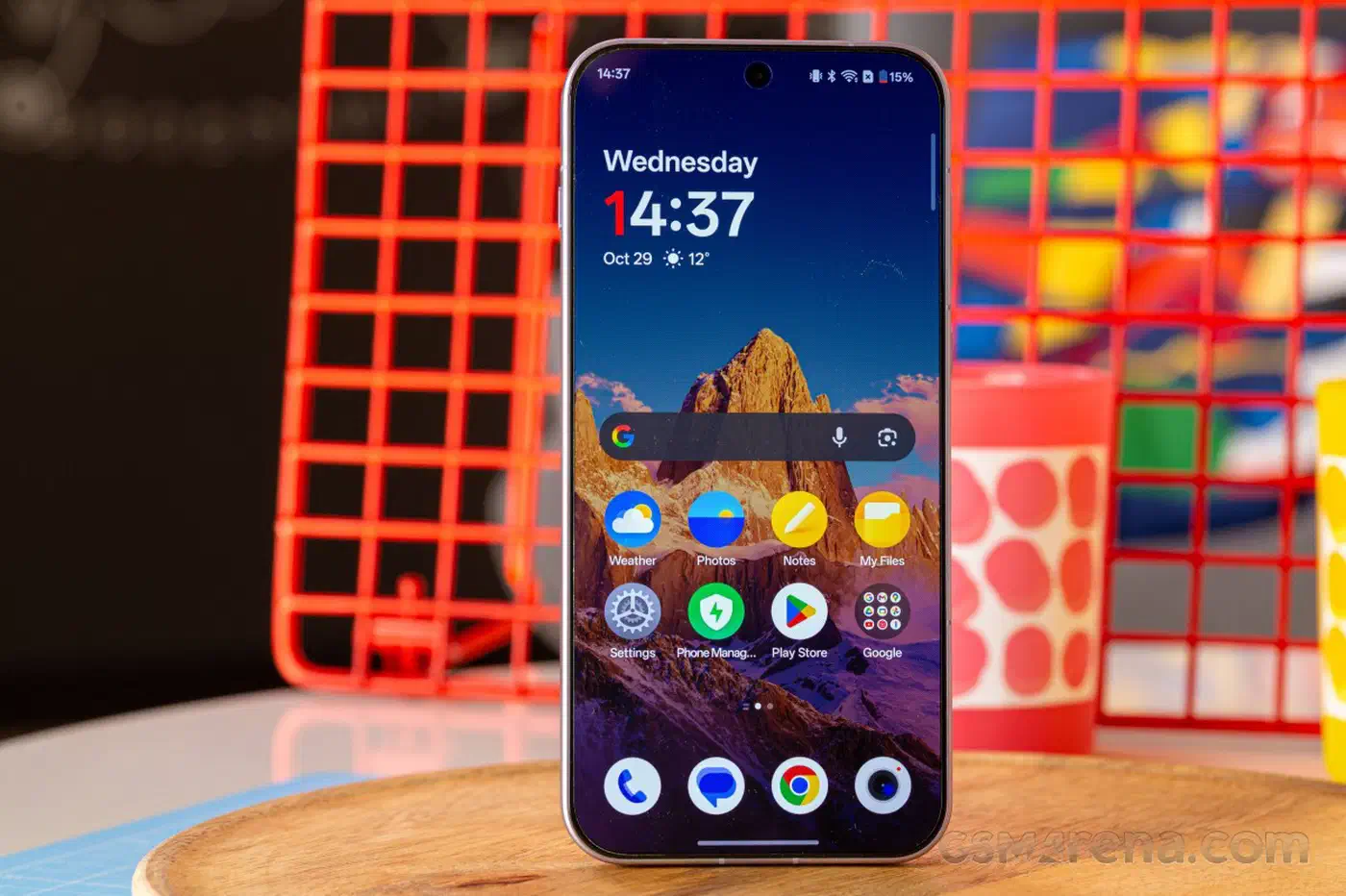
Two tenths of a millimetre of extra thickness buys a third more battery and close to seven more hours.
The recall Samsung never forgot
The Note 7 is the reflexive answer. Samsung recalled more than 2.5 million phones over battery fires. It put the total cost at $5.3 billion , and airlines told fliers to keep the phone switched off. Silicon-carbon anodes are newer chemistry, and they swell differently, so the caution has a clear motive.
That caution no longer holds. Samsung shipped silicon-carbon cells in its 2026 foldables. Executive vice president Moon Sung-hoon went on record about the choice.
The new products adopted a ‘silicon carbon’ anode material for the first time to increase energy density.
Moon also said Samsung is weighing the chemistry for future models, the Galaxy S27 among them. It has to meet the company’s own strict standards first. So the chemistry has cleared Samsung’s safety bar. The recall explains the slow pace and nothing about the number 5,000.
Aviation limits and thickness targets
Airline rules fail on the maths. The FAA allows lithium-ion batteries up to 100 watt-hours in a device, with no approval needed. A 5,000mAh phone cell at 3.88V holds about 19 watt-hours. Even the 20,000mAh beast in Samsung’s test lab would land near 78 watt-hours, well inside the limit.
At today’s energy density, another 2,000mAh does cost real millimetres. The Ultra also has a fixed shape built around a stylus and a big camera island.
The OnePlus 15 reaches 7,300mAh at 8.1mm, so the physics allows it in a body of normal thickness. Samsung spent its engineering budget the other way. The S26 Ultra is 0.3mm thinner than the S25 Ultra, and none of that reclaimed space went to the cell. Samsung chose thinness over capacity.
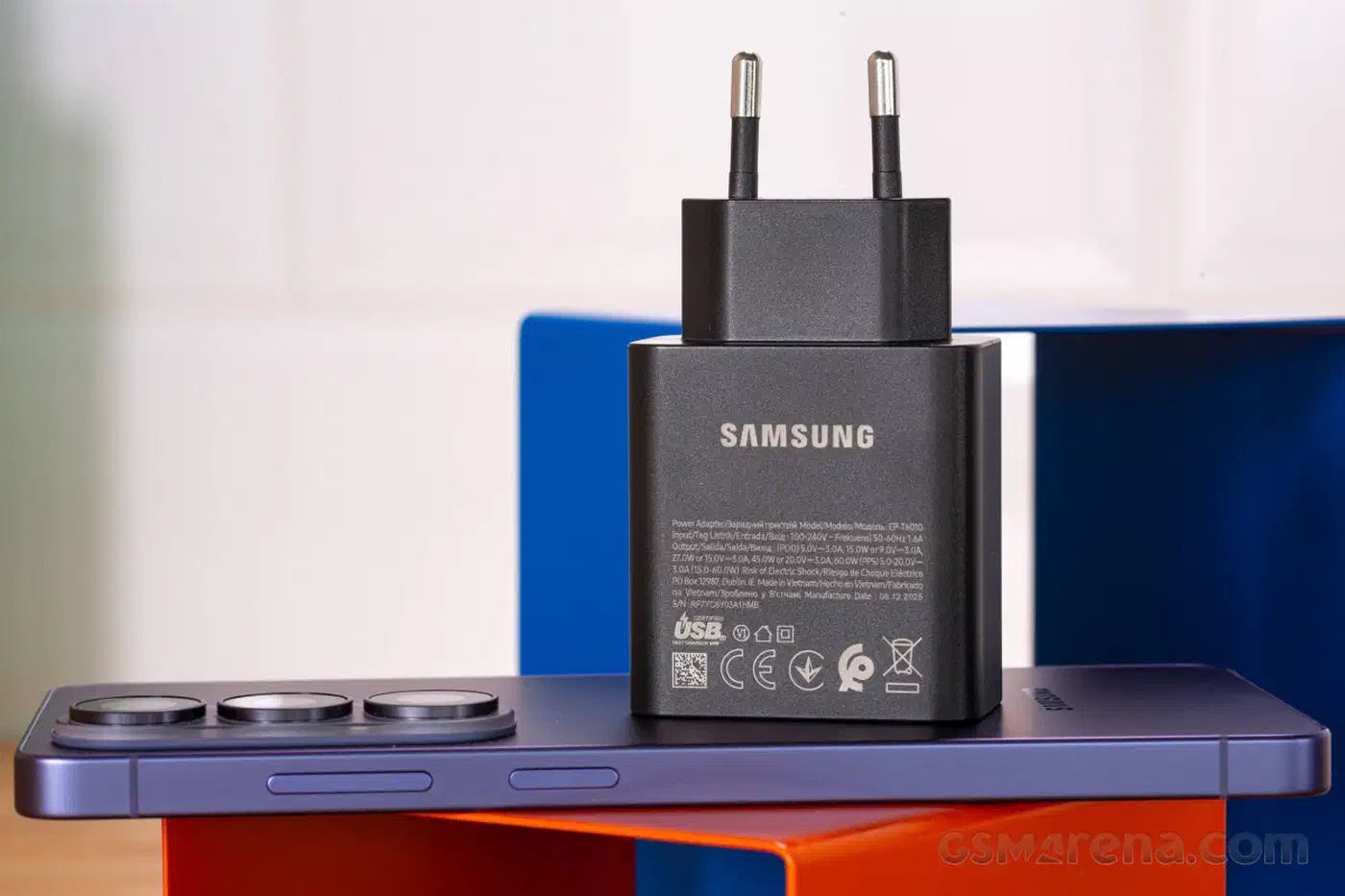
Samsung put a 5,000mAh silicon-carbon pack into the Galaxy Z Fold8 Ultra, inside a 4.1mm frame. That’s a 14 percent gain on the phone before it. When Samsung needs energy density in a tight space, it has the tech on the shelf.
The missing competitive pressure
The least flattering reason is also the best supported. GSMArena’s reviewers write that Samsung’s product plan appears to ignore market pressure. Sharing the US flagship shelf with only Apple suits the business. Ultra sales have held steady in key markets, so the payoff from a battery redesign looks thin.
Capacity has climbed past 7,000mAh in two years on the shelves where Samsung faces OnePlus, Oppo, Xiaomi and vivo, while in the US, where its only rival is Apple, it has sat still since 2020. Capacity climbs where rivals force it.
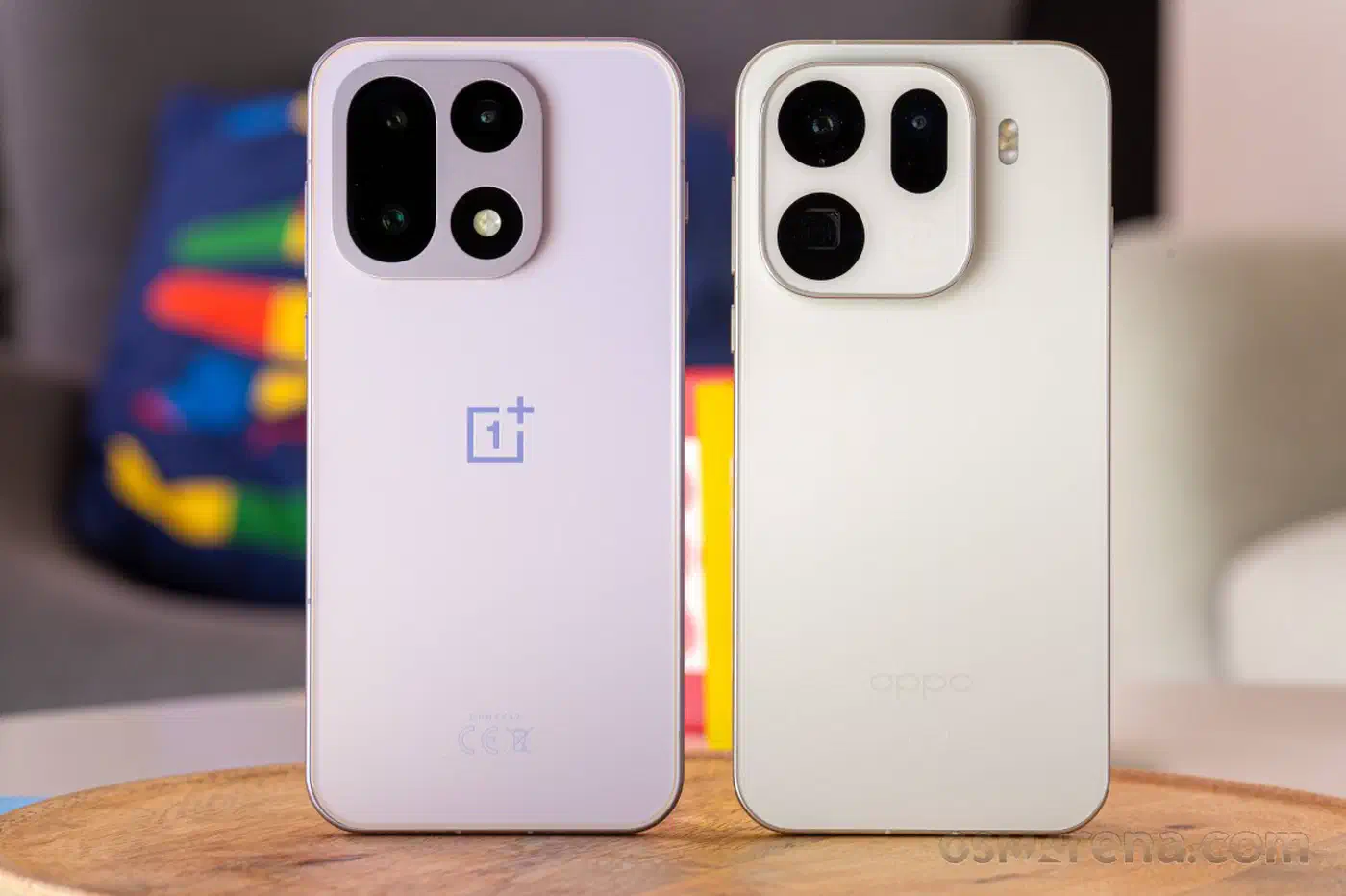
This generation is led by software. The S26 Ultra brings a small chip bump, new AI features, faster 60W charging and a Privacy Display. The water rating, panel bit depth and battery all stand pat.
If the biggest battery is your first requirement, no Samsung model delivers it, so buy another brand.
What Samsung is holding back
Leaked documents reported by Notebookcheck show Samsung testing a 20,000mAh pack that failed after 960 charge cycles. A separate 18,000mAh three-cell stack comes to 12.8mm thick. The realistic one is a 12,000mAh two-cell design at 9.3mm. Samsung rates it for 1,500 cycles to 80 percent, and 20 to 25 hours of active use.
That 12,000mAh pack would roughly double the S26 Ultra’s stamina in a phone 1.4mm thicker. It’s still a test unit, and the runtime numbers are on paper only. The stacked 18,000mAh prototype sits even further from a shop shelf.
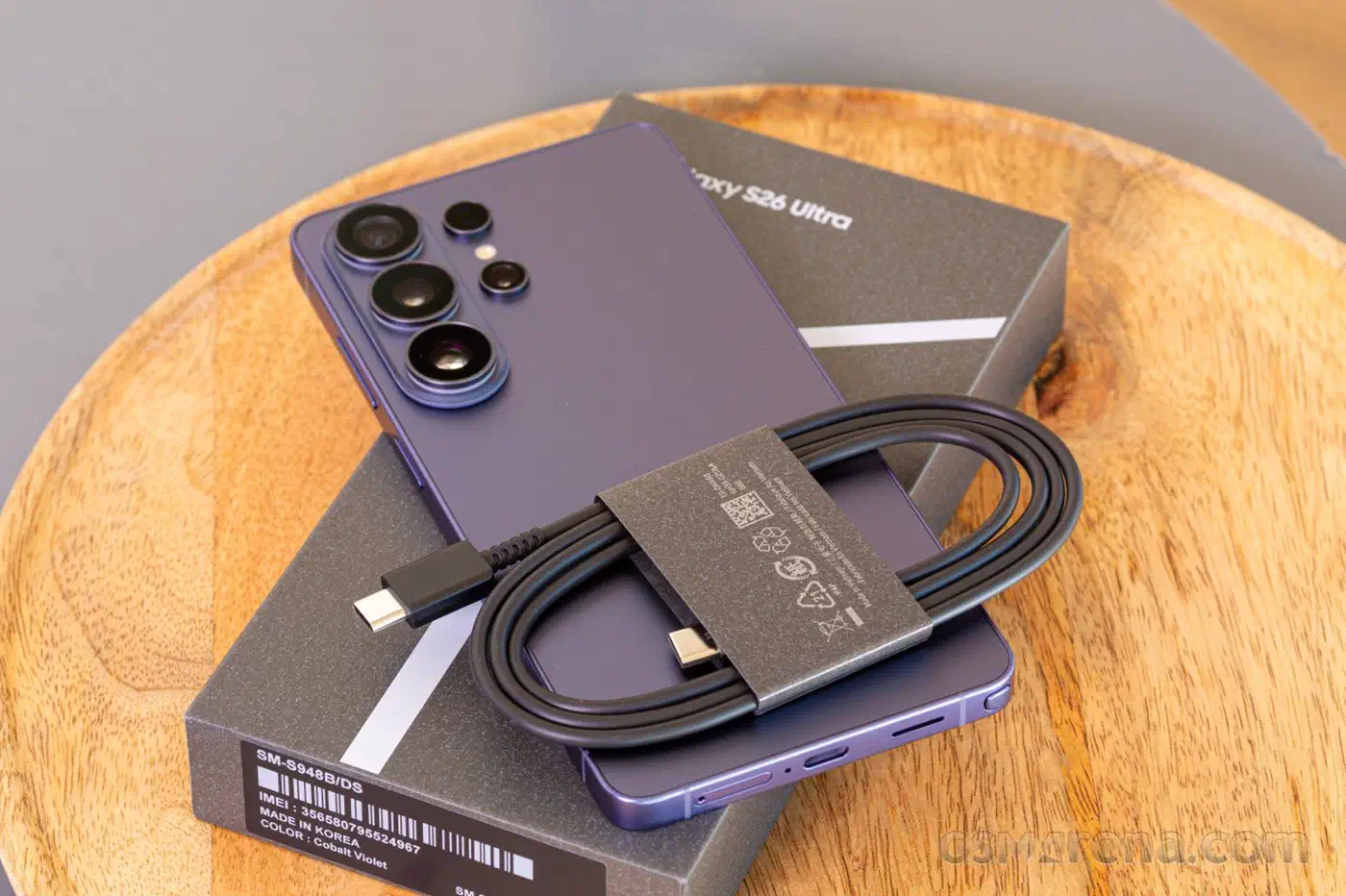
Moon’s comment about the Galaxy S27 sets the timeline. Silicon-carbon in a Galaxy bar phone is a 2027 question at the earliest. Until then, the 16:23h score is a better guide to the S26 Ultra than its capacity number. Samsung’s efficiency work claws back part of the gap, though nowhere near seven hours.