

Xbox and the PS5 handle HDMI VRR through different ports


HDMI VRR reaches the same tear-free result on both consoles, but through different ports. The PS5 runs variable refresh rate only over HDMI 2.1, while the Xbox Series X and S also run it over HDMI 2.0 and 1.4. The PS5 caps its output at 32Gbps, so a monitor’s full 48Gbps port stays optional.
Key Takeaways
- The PS5 does VRR only over HDMI 2.1; the Xbox does it over older ports too.
- Both need a full HDMI 2.1 screen and an Ultra High Speed cable for 4K 120Hz.
- The PS5 never sends more than 32Gbps, so a 48Gbps port is optional.
- An “HDMI 2.1” label alone does not promise VRR or ALLM will work.
- The PS5 wants HDMI-Forum VRR; plain FreeSync can still leave it tearing.
How do the PS5 and Xbox handle HDMI VRR differently?
Variable refresh rate, or VRR, matches the screen’s refresh rate to the console’s live frame output. It kills tearing and smooths the stutter that shows up when frame rates swing in demanding games.
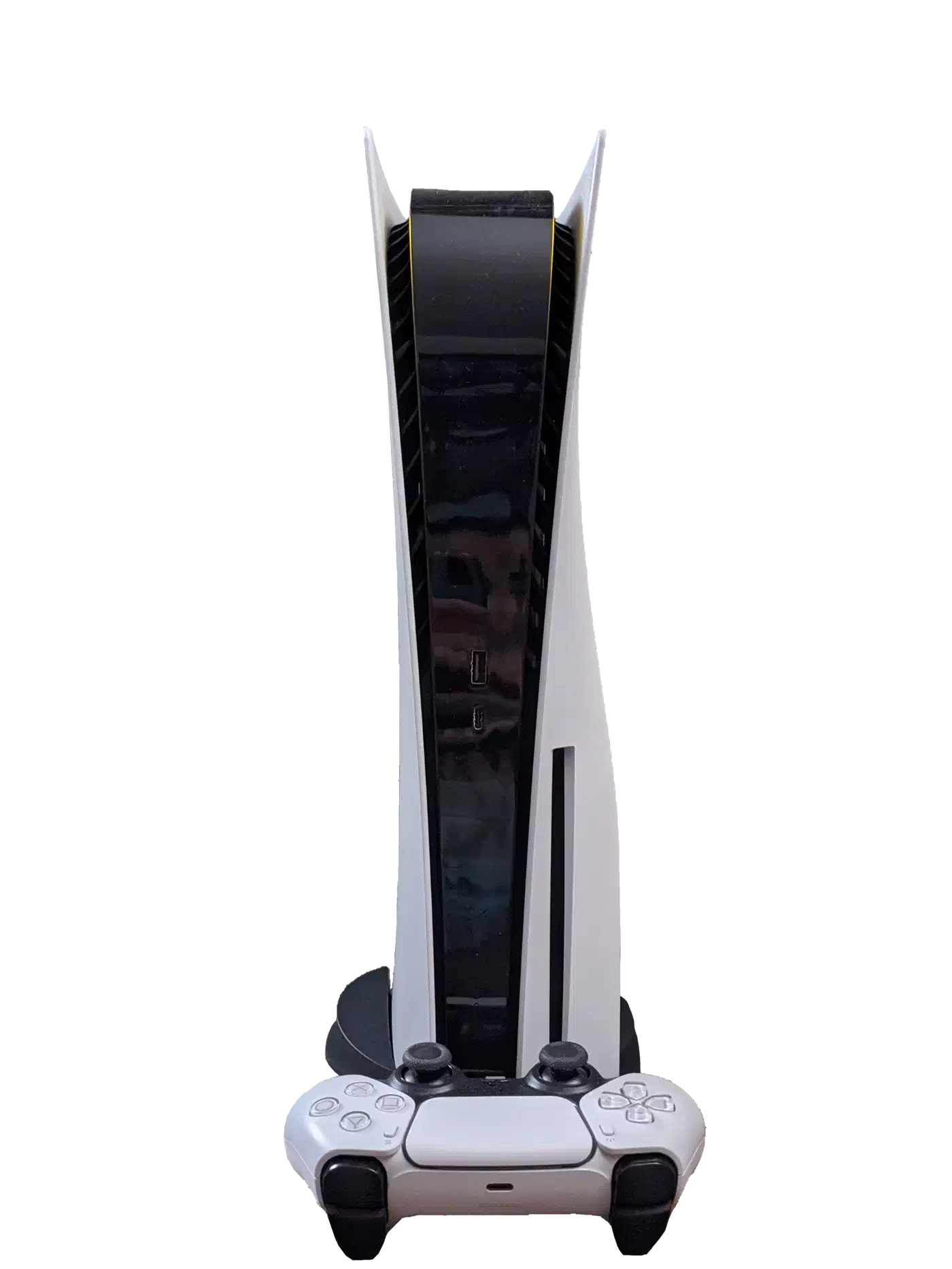
The PS5 supports VRR only over HDMI 2.1. It has no VRR path on its older HDMI modes, so an aging HDMI 2.0 screen gives a PS5 nothing on this front.
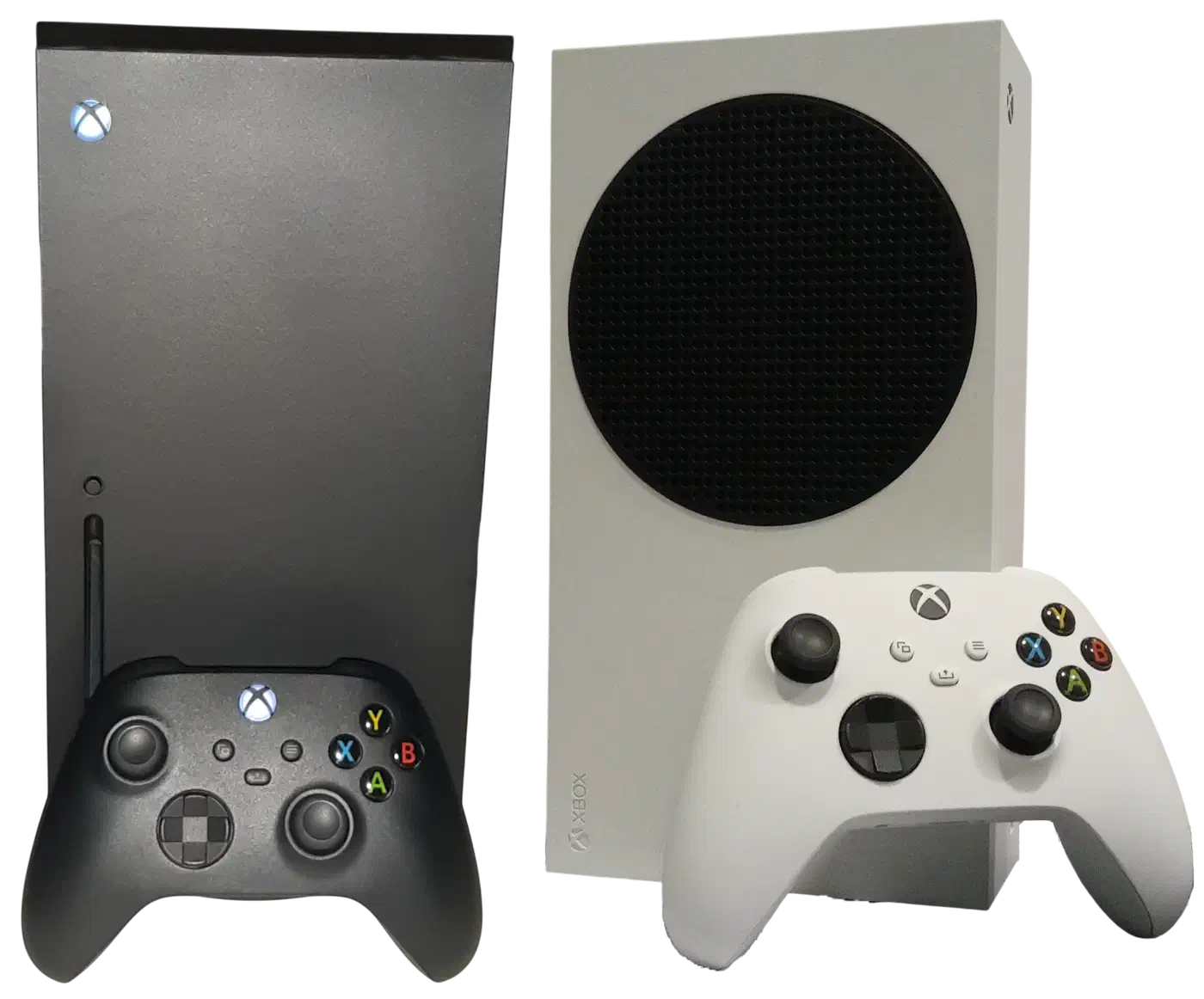
The Xbox Series X and S are more flexible. They can run Adaptive-Sync VRR over HDMI 2.0 and even HDMI 1.4.
So an older HDMI 2.0 monitor can still give an Xbox tear-free VRR, while that same monitor leaves a PS5 tearing.
| Console | VRR runs over | Needed for 4K 120Hz | VRR type it wants |
|---|---|---|---|
| PS5 | HDMI 2.1 only | Full HDMI 2.1 display, Ultra High Speed cable | HDMI-Forum VRR |
| Xbox Series X and S | HDMI 2.1, 2.0, and 1.4 | Full HDMI 2.1 display, Ultra High Speed cable | Adaptive-Sync or HDMI-Forum VRR |
Why the 48Gbps versus 32Gbps gap changes what you buy
Buyers often assume a console needs the biggest HDMI number on the box. The PS5 does not, and a single bandwidth number explains why. Full HDMI 2.1 carries up to 48Gbps, enough for uncompressed 4K 120Hz at 4:4:4 chroma. The PS5’s output, though, caps at 32Gbps, so it never fills a 48Gbps pipe.
Consequently, a lower-bandwidth HDMI 2.1 port can still deliver 4K 120Hz to a PS5. A monitor’s full 48Gbps port is a bonus for console use rather than a requirement. Paying extra for that headroom buys a PS5 owner nothing.
The real problem sits lower down the range, where a 24Gbps HDMI 2.1 port forces chroma subsampling, either 4:2:2 or 4:2:0, at peak console settings. Consoles cannot lean on Display Stream Compression the way PCs do, so the bandwidth ceiling is hard. That subsampling shows up as color fringing and softer text on menus and the desktop. It stays subtle in fast action, yet it turns visible when you read in-game text.
What a HDMI 2.1 spec sheet does not promise
Since HDMI 2.1 became a superset of HDMI 2.0, the version number stopped guaranteeing the features consoles care about. A monitor can legally wear the “HDMI 2.1” label while its port delivers only 24Gbps and supports just some of the newer features. The badge alone no longer proves full performance.
“4K 120Hz compatible” marketing often hides a screen that quietly drops VRR or ALLM. Those two features are the ones that keep console play smooth. ALLM auto-switches the display into its lowest-latency mode, cutting input lag with no manual tweaks. So look for explicit, confirmed support for 4K 120Hz, VRR, and ALLM in the spec list, not just the version badge.
The surest check is the hardware itself. The PS5’s 4K TV details screen and the Xbox 4K details screen both report what the console actually negotiated. That reading beats any claim printed on the box.
Does a PS5 need HDMI-Forum VRR, or is FreeSync enough?
For the PS5, basic Adaptive-Sync or FreeSync over HDMI is frequently not enough. HDMI-Forum VRR is the implementation that reliably stops tearing on this console. A monitor can advertise FreeSync and still leave a PS5 tearing if it lacks HDMI-Forum VRR. The Xbox is more forgiving here, since it accepts Adaptive-Sync over its older ports.
The 1440p case adds its own limit. Some monitors support the 1440p 120Hz mode together with FreeSync on the Xbox Series X and S. Put a PS5 on that same panel and you get plain 1440p 120Hz without the tear-free layer, a PS5-side gap noted by Display Ninja. So confirm HDMI-Forum VRR in the spec list rather than trusting a generic Adaptive-Sync line.
If you are weighing a newer standard, the jump to 96Gbps on HDMI 2.2 through the Ultra96 cable does not change any of this for the current consoles. Neither the PS5 nor the Xbox sends enough bandwidth to use it, so an HDMI 2.2 monitor buys you nothing extra on today’s hardware.
The cable often gets skipped too. An Ultra High Speed HDMI cable carries the certification for the full 48Gbps signal. An uncertified cable can silently drop 4K 120Hz or fail VRR, even when the console and monitor both support it. Check that the cable carries the certification logo before you fault the monitor.