

Twist the Xiaomi 17 Ultra Leica ring to change exposure


The Xiaomi 17 Ultra Leica zoom ring is a real mechanical part, but it never touches the lens. It sets focal length, exposure, white balance and focus. Three of those four have no optical mechanism behind them at all. Xiaomi’s own account of the part settles the question: the ring turns rotation into a digital signal.
Key Takeaways
- The Leica edition uses the same cameras as the standard 17 Ultra.
- Its ring sets zoom, exposure, white balance and focus.
- Xiaomi says the ring converts rotation into a digital signal.
- The ring wobbles on purpose, so the phone stays sealed.
- Reviewers nudged it by accident and ended up switching it off.
What the Leica edition adds over the standard 17 Ultra
The cameras are identical. Both carry the 50MP 1-inch main sensor, the 200MP periscope and the 50MP ultrawide. GSMArena listed the full set at the launch . The chip, the screen and the battery are also the same.
What the Leica edition adds sits outside the lens stack:
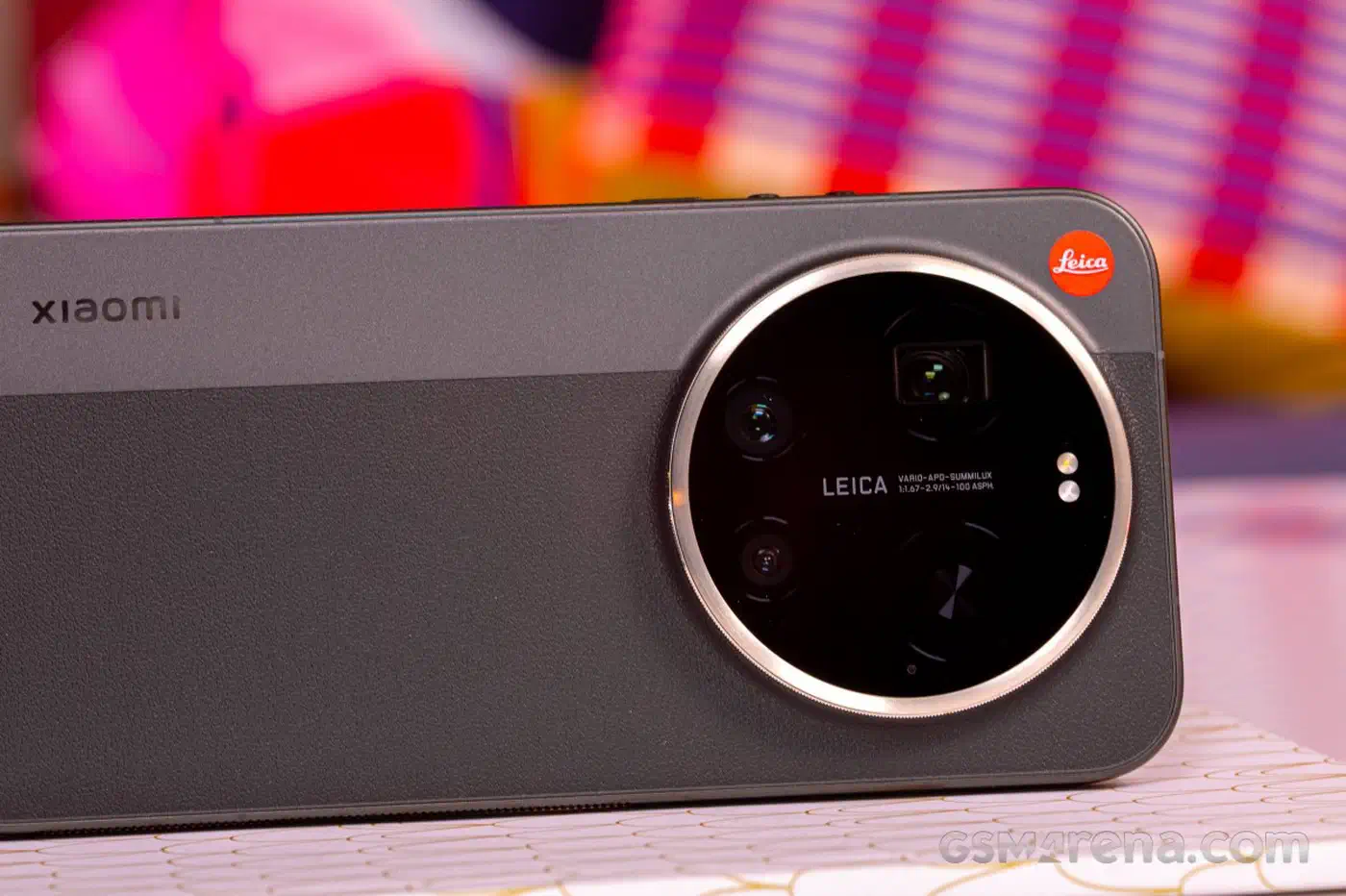
- A rotating ring around the camera island.
- Leica Moment modes that shoot in a 3:2 aspect ratio.
- A separate security and encryption chip.
- Dual-satellite communication.
- A dual-tone back in eco leather, a knurled aluminium frame, and a box holding a lens cap, lanyard, magnetic case and cleaning cloth.
| Model | 16GB / 512GB at Chinese launch |
|---|---|
| Xiaomi 17 Ultra | CNY 7,499 |
| Xiaomi 17 Ultra Leica edition | CNY 7,999 |
So the ring and its companions cost about CNY 500 on a matched configuration.
Does the Xiaomi 17 Ultra Leica zoom ring move glass or drive software?
Exposure and white balance have no optical mechanism behind them. No moving lens element changes a white balance value or an exposure number. Glass can handle focus and zoom, and that is where its reach ends.
Therefore the ring has to report its rotation to software. The software then decides what a turn means in the mode you are in. Xiaomi’s own account of the part, relayed by Huawei Central , calls the ring a precision mechanical transmission. It detects movement down to 0.03mm and turns the rotation angle into a digital signal.
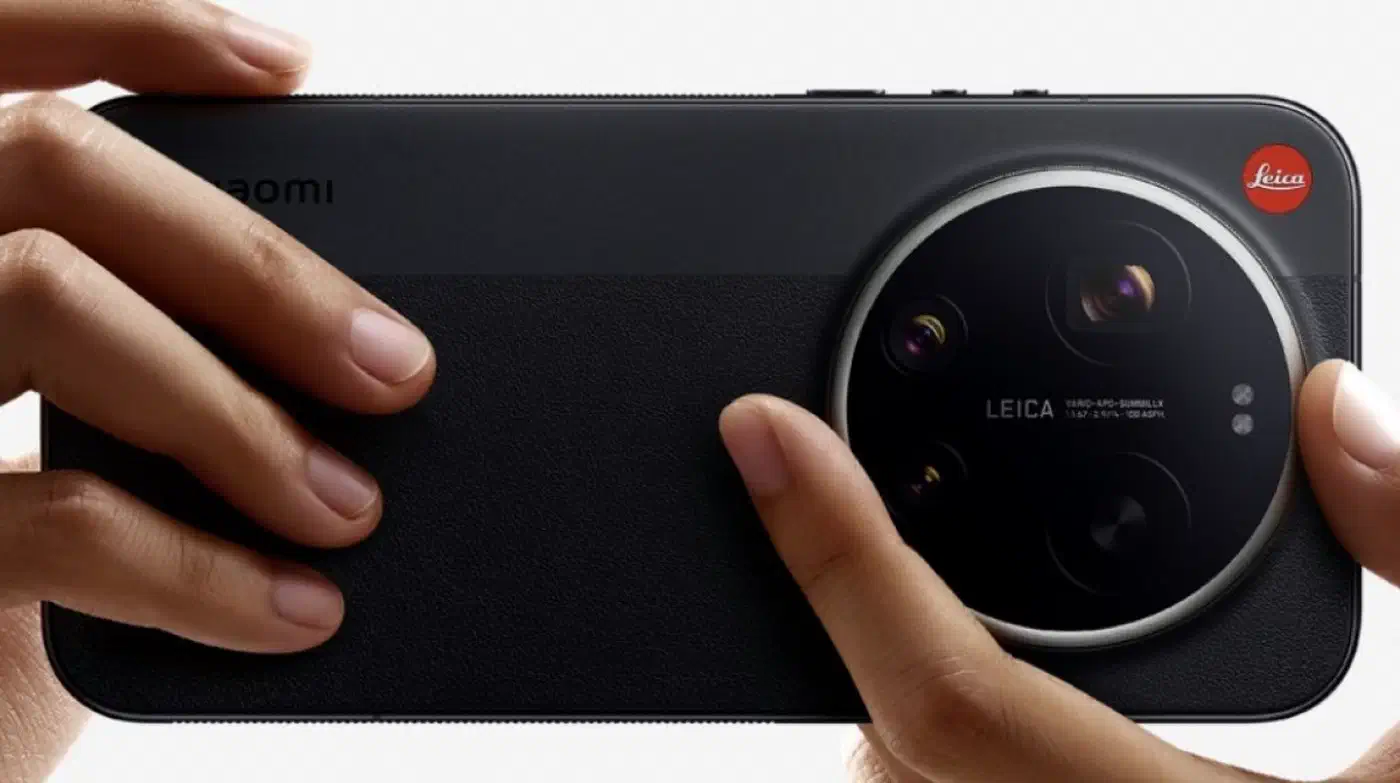
When the ring does its zoom job, that signal could go two ways: to the periscope’s zoom motor, or to a software slider that crosses the optical range. A teardown would settle it, or a video of the lens elements tracking the ring. No such evidence exists yet, so this is reasoning from the published function list rather than reporting. New Atlas describes the same four assignable parameters without resolving the mechanism either.
An encoder gives you a fast control you can work without looking at the screen. It still lacks the certainty of a lens barrel, where both ends of the range are hard stops you can feel. The software layer is also why one ring can handle white balance at all.
The underlying optics are the same either way. The 200MP periscope covers a continuous 75mm to 100mm, roughly 3.2x to 4.3x, confirmed by Gizmochina alongside Xiaomi’s own samples . Notebookcheck weighed that variable Leica lens against the twin fixed periscopes on Oppo’s Find X9 Ultra . That piece ran before either phone shipped, so it compares leaks rather than retail hardware.
Why the ring wobbles by design
Early buyers found the ring loose. Tap it and it shifts a little, sometimes with a small sound. Xiaomi says that is deliberate.
The ring uses a sandwich build of 26 separate parts. Every added part is another way for dust or water to get in. So Xiaomi told Gizmochina it left the ring some play, both radially and axially , to keep the seals working. The phone still carries IP66, IP68 and IP69 ratings. Xiaomi also ran the mechanism through drop, dust, water, heat, humidity and rotation testing.
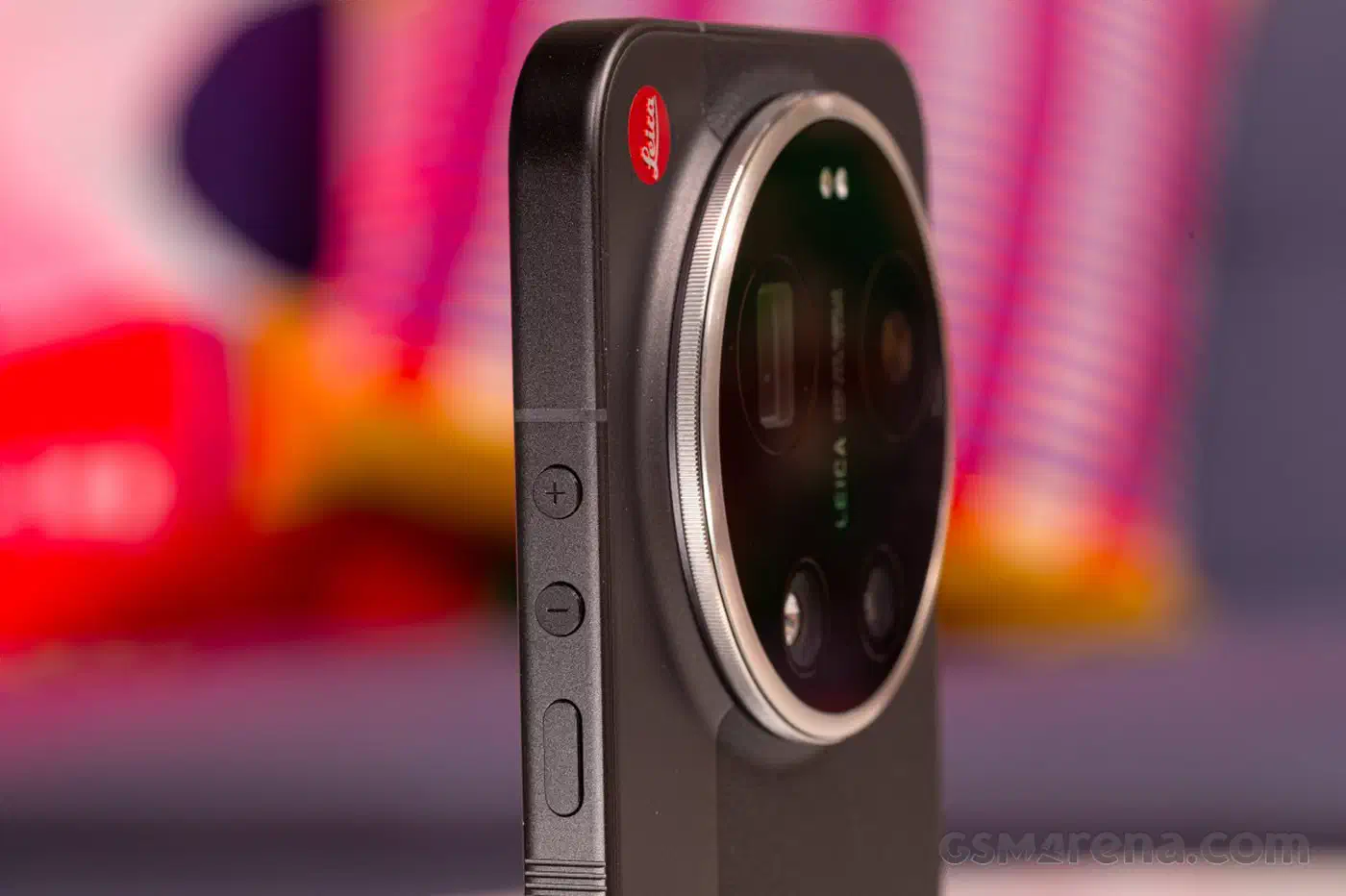
A ring loose enough to survive a rainstorm is also loose enough to turn when you did not mean to.
How this compares to a decade of bolt-on camera grips
Every earlier attempt at giving a phone real camera controls was an accessory you screwed on. The Xiaomi 15 Ultra Photography Kit is the clearest recent example. It brings a case, a grip with a 2000mAh battery, two shutter buttons, a thumb rest and a 67mm filter adapter ring. The grip talks to the phone over its USB-C port.
| Control | Bolt-on grip | Built-in ring |
|---|---|---|
| Two-stage shutter button | Yes | No |
| Filter thread | 67mm | None |
| Spare battery | 2000mAh | None |
| Somewhere to put your hand | Yes | No |
| Sealing with it fitted | IP54 | IP66, IP68, IP69 |
| In your pocket on a normal day | No | Yes |
A grip drags a waterproof phone down to splash resistance, and it only helps on the days you remembered to bring it.
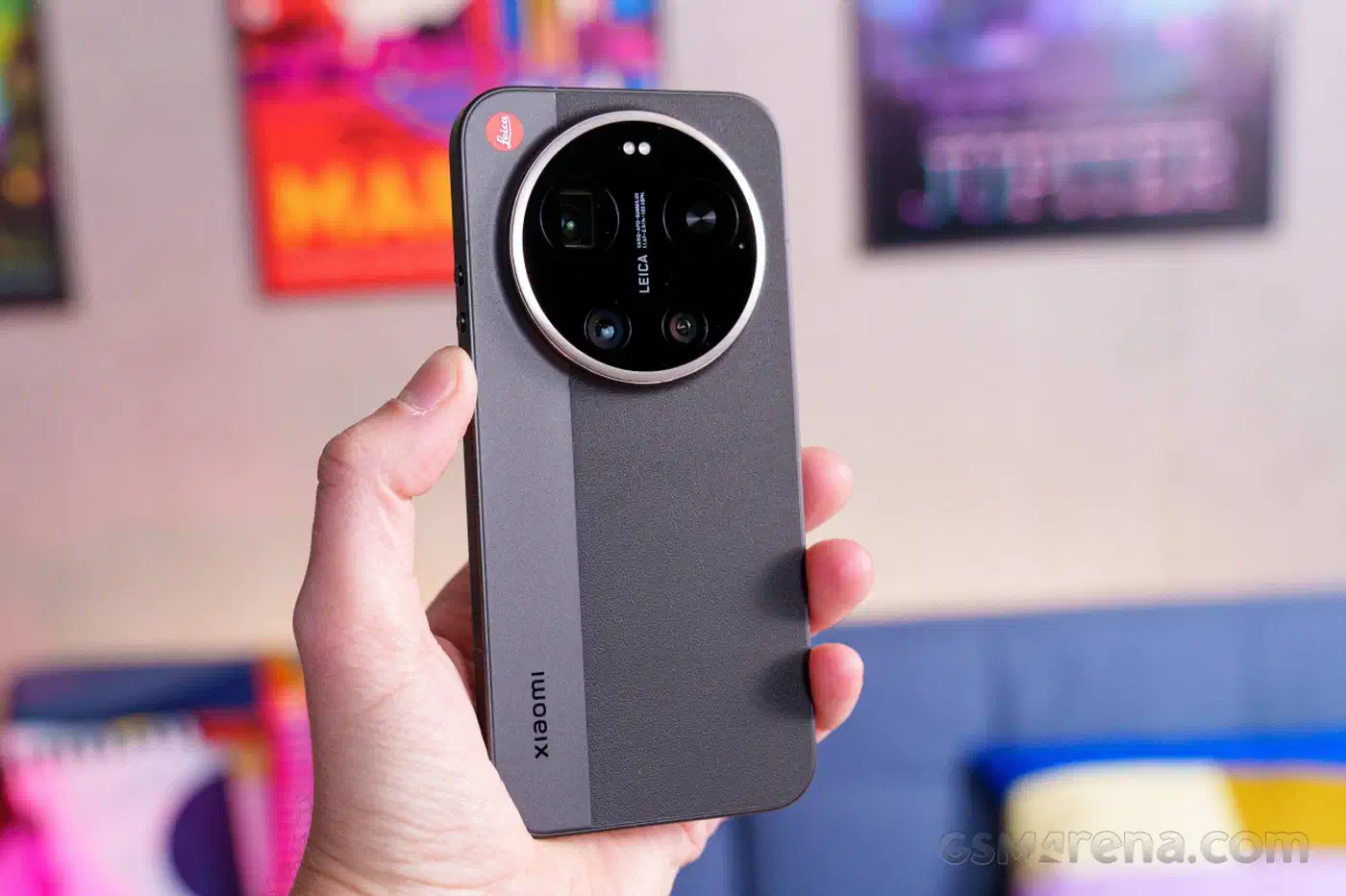
Neither approach changes the picture the sensor records. Both change how fast you reach a setting. The ring’s advantage is that it is on the phone when something happens in front of you.
Who the Xiaomi 17 Ultra Leica edition is for
GSMArena liked the concept and then gave up on it in daily use.
Although we really liked the rotating ring concept initially, in daily use, we often found ourselves rotating the ring unintentionally, so in the end, we ended up turning it off altogether.
Their suggested fix points at the same trade as the sealing story. A stiffer, clicky mechanism, closer to a rotating watch bezel, would resist accidental turns. Instead the phone answers with haptic feedback, which the reviewers found pleasant but not enough.
If you shoot manually and ride exposure compensation, a control you can find by feel saves you a trip to the screen on every frame. Against that, the sensors are identical, so no photo comes out better for the badge on the back.
Two edition-only extras have nothing to do with photography. Dual-satellite messaging helps if you go where networks stop. The security and encryption chip covers the phone as a whole. No published source ties it to the camera, so treat any claim that it signs your photos as unproven.
That leaves the 3:2 Leica Moment modes, which crop to a film-shaped frame. Liking 3:2 is a taste question, and it costs nothing either way.
Buy the Leica edition for the leather, the frame and the satellite link. Treat the ring as a bonus you may end up switching off. Two things would change that verdict: a teardown showing the ring wired to the zoom motor, or a firmware update that adds the resistance reviewers asked for.