

Pixel 11 Pro's Super Actua screen reaches 3,600 nits


Google rates the Pixel 11 Pro Super Actua display at up to 3,600 nits, its brightest screen yet. That headline number carries a footnote: Google measures it at a 5% on-pixel window, not across a full white screen. Pre-launch leaks had listed only 2,450 nits for the very same panel.
Key Takeaways
- Google rates the Pixel 11 Pro screen at up to 3,600 nits, its brightest yet.
- That 3,600 figure is a small-window peak, well above what a full white screen shows.
- A new coating more than doubles scratch resistance over the Pixel 10 Pro.
- Leaked specs said 2,450 nits, so the launch number jumped well past them.
- The base Pixel 11 tops out at 2,200 nits on a simpler panel.
How bright is the Pixel 11 Pro screen?
Google calls it the “brightest-ever Super Actua display, up to 3,600 nits.” The claim covers both the Pixel 11 Pro and the Pixel 11 Pro XL. That wording comes straight from the official Pixel 11 announcement . The base Pixel 11 is a step below, listed at up to 2,200 nits.
Google’s own footnote says peak brightness is measured at a 5% on-pixel ratio, meaning only a small slice of the screen is lit at once. So 3,600 nits is a best-case highlight figure, far brighter than a page full of white ever gets.
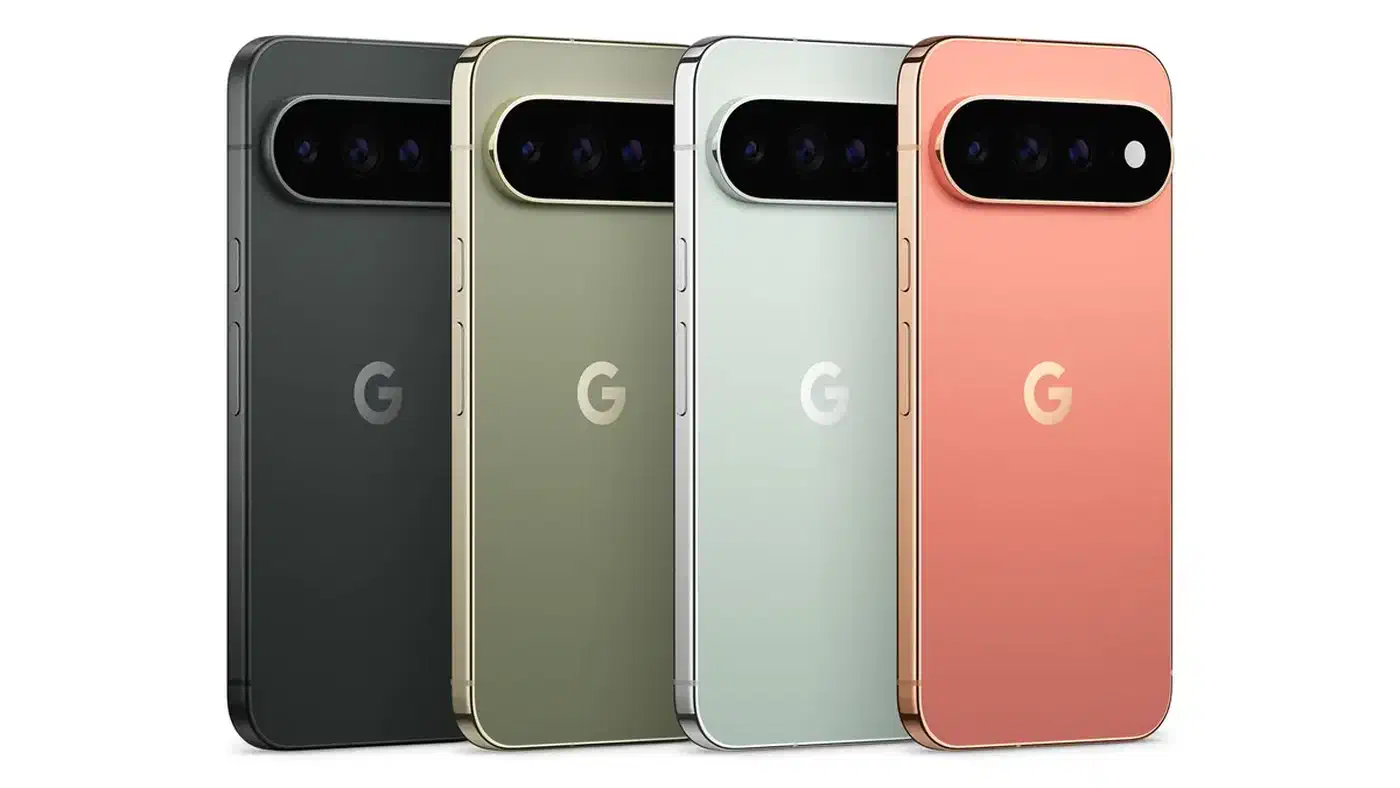
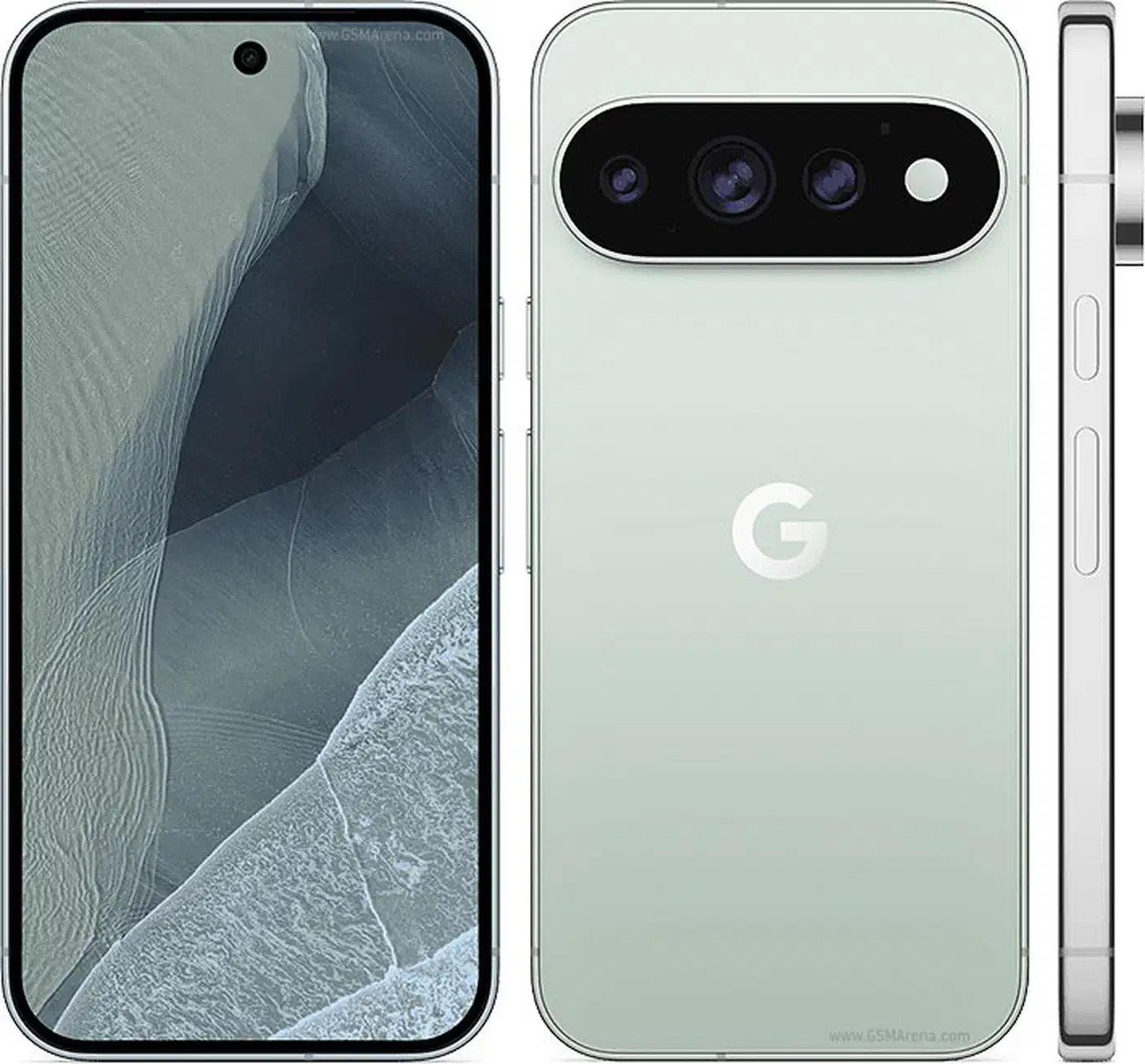
Peak, HDR and full-screen brightness on the Super Actua panel
Phone makers quote a single nits figure, but a screen has three brightness stories.
- Peak brightness is the maximum a small patch can reach. Here it is measured at that 5% on-pixel window, which is why the 3,600 figure carries a footnote.
- HDR brightness is how bright specular highlights get inside HDR video and photos. It lands close to the peak because only part of the frame is lit at full power.
- Full-screen brightness is what a solid white document shows across the whole panel. It always sits well below the peak, because power draw and heat cap an all-white display.
Outdoor readability tracks full-screen brightness far more than the headline peak. The 3,600 number mostly helps HDR content pop, so two phones with different peak ratings can look nearly identical in daylight if their full-screen figures are close.
That is also why cross-brand comparisons get slippery. Official peak figures put the iPhone 17 Pro Max and Galaxy S26 Ultra near 3,000 and 2,600 nits, yet each brand measures at its own window size. Comparing 3,600 against those numbers is not an apples-to-apples read.
What the new anti-scratch coating changes
The brightness comes with a durability claim. Google says a new anti-scratch display coating “delivers more than double the scratch resistance of the previous generation.” The comparison baseline is the Pixel 10 Pro, measured on pre-production devices, per Google’s footnote.
A scratch-resistant coating sits on top of the cover glass and is a different property from the glass hardness itself. So “double the scratch resistance” describes the surface treatment rather than a new glass formulation.
Google does not publish a Mohs hardness level for the coating, so nobody can yet say which scratch grade it survives in daily use. Independent lab testing will have to fill that gap once review units ship.
For context, Google pairs the coating with the drop-resistant design carried over from the Pixel 9 series and calls these its most durable Pro phones yet. Google also has not confirmed whether the base Pixel 11 gets the same coating or only the Pro models.
3,600 nits vs the 2,450-nit leak
Anyone who followed the pre-launch leaks saw a smaller number. Droid Life’s spec table listed 2,450 nits for both the Pixel 11 Pro and Pro XL, on 1-120Hz LTPO OLED panels. Google’s launch figure of 3,600 nits is roughly a 47% jump over that leaked number for the exact same displays.
Leaks often report a panel’s typical or HDR-rated brightness, while Google quotes a peak 5% window figure. Both numbers can be true at once, just measured under different test conditions.
Before the reveal, Droid Life’s Kellen framed the display as familiar:
the display tech (likely) should be familiar, with subtle improvements to peak brightness and not much else
A near 47% headline gain is not “subtle,” even if the real-world jump in full-screen brightness turns out smaller once testers measure it.
Here is how the confirmed lineup stacks up, with the base Pixel 11 figure still coming from the leaked table:
| Model | Screen | Refresh rate | Rated peak brightness |
|---|---|---|---|
| Pixel 11 | 6.3" OLED, 1080 x 2424 | 60-120Hz | up to 2,200 nits |
| Pixel 11 Pro | 6.3" OLED, 1280 x 2856 | 1-120Hz LTPO | up to 3,600 nits |
| Pixel 11 Pro XL | 6.8" OLED, 1344 x 2992 | 1-120Hz LTPO | up to 3,600 nits |
The LTPO panel is the real divide: only the Pro models pair a 1Hz-to-120Hz refresh with the 3,600-nit peak.