

Five separate parts changed inside the Cherry MX2A switch

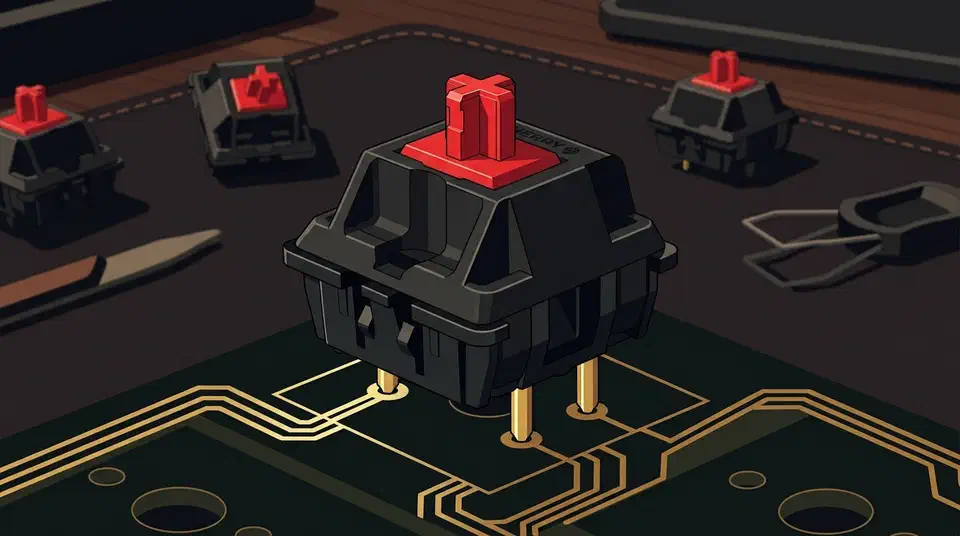
The Cherry MX2A switch redesign changes five separate parts inside the standard MX switch: the spring, the stem, the socket dome, the lubrication on that dome, and the guidance ribs. Each part answers one old complaint about the original MX.
Key Takeaways
- MX2A is now the default MX across Cherry’s whole catalogue.
- The spring changed from cylindrical to barrel-shaped, which is what killed the ping.
- A machine places lubricant on the socket dome, replacing grease smeared over the whole switch.
- A recentred stem is Cherry’s fix for the wobble the old MX was known for.
- The 100 million click rating covers select switch types, not the whole range.
What is the Cherry MX2A?
The Cherry MX2A is a ground-up internal revision of the mainstream MX switch, first shown in 2023. Cherry kept the outside and rebuilt the inside.
The Keybumps Cherry MX switch guide describes MX2A as the current default across the range. So buying a Cherry switch today usually means buying an MX2A version by default. The redesign covers both linear and tactile variants.
The housing, the stem cross, and keycap fit all stay the same. So an MX2A drops straight into an existing board, with no adapter and no relearning. The feel families you already know, like the heavy Black or the tactile Brown, still exist under the same names.
The five parts Cherry redesigned
Cherry publishes the list of what changed in its MX2A engineering breakdown . The table below maps each change to the old complaint it answers, built as analysis on top of Cherry’s own list.
| Old complaint | Part Cherry changed | What a typist notices |
|---|---|---|
| Spring ping | Spring went from cylindrical to barrel-shaped | Less metallic ring on each keypress |
| Scratchy travel | Ring lube applied by machine onto the socket dome | Smoother contact point, quieter stroke |
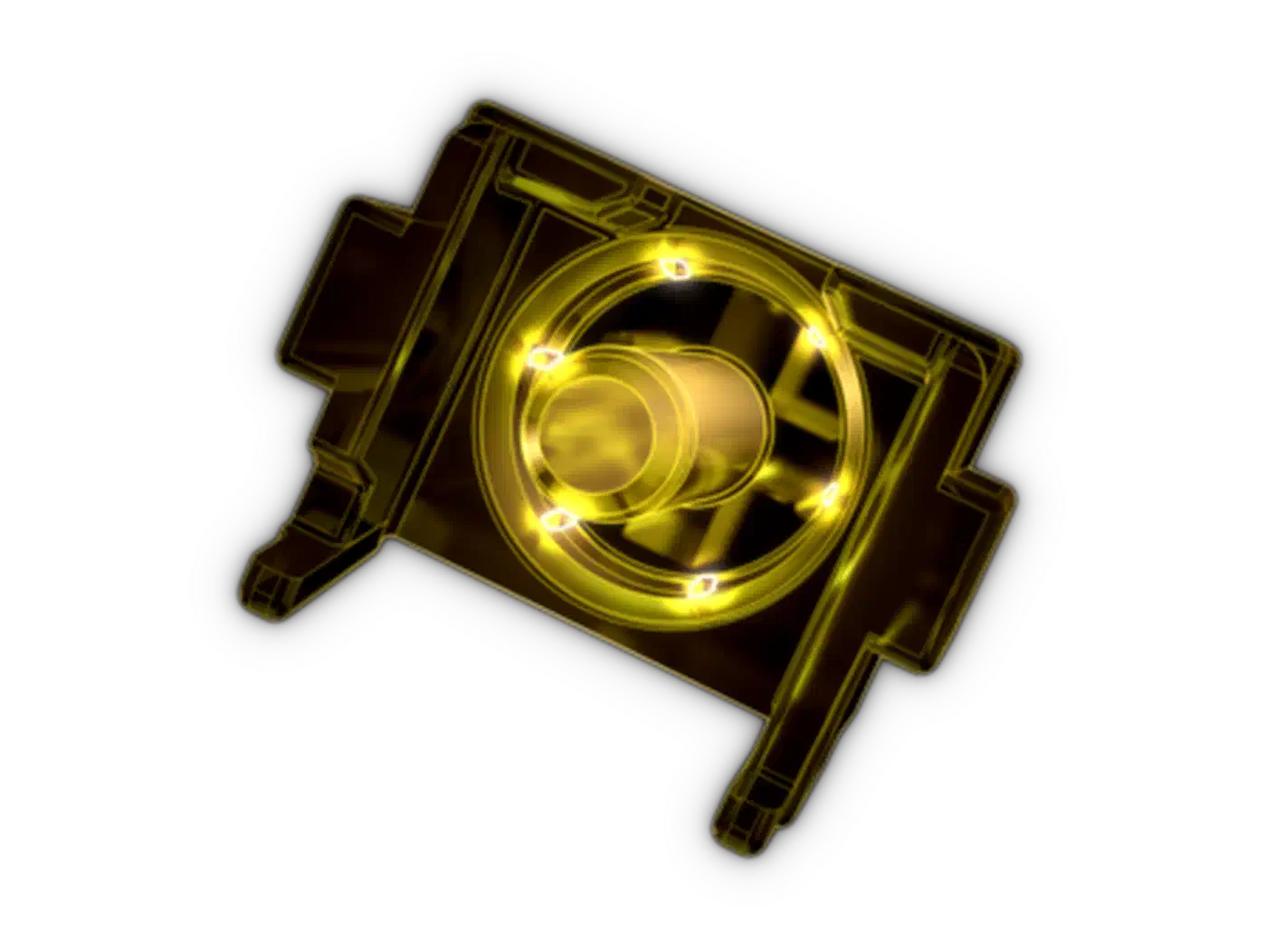
| Stem wobble | Stem recentred with a six-rib "crown" | Steadier keycap, less side-to-side play |
| Rough bottom-out | Socket dome reshaped and diamond-polished | Cleaner glide at the bottom of the press |
| Friction through the stroke | Glide-optimised guidance ribs in the top housing | Less drag as the stem moves down |
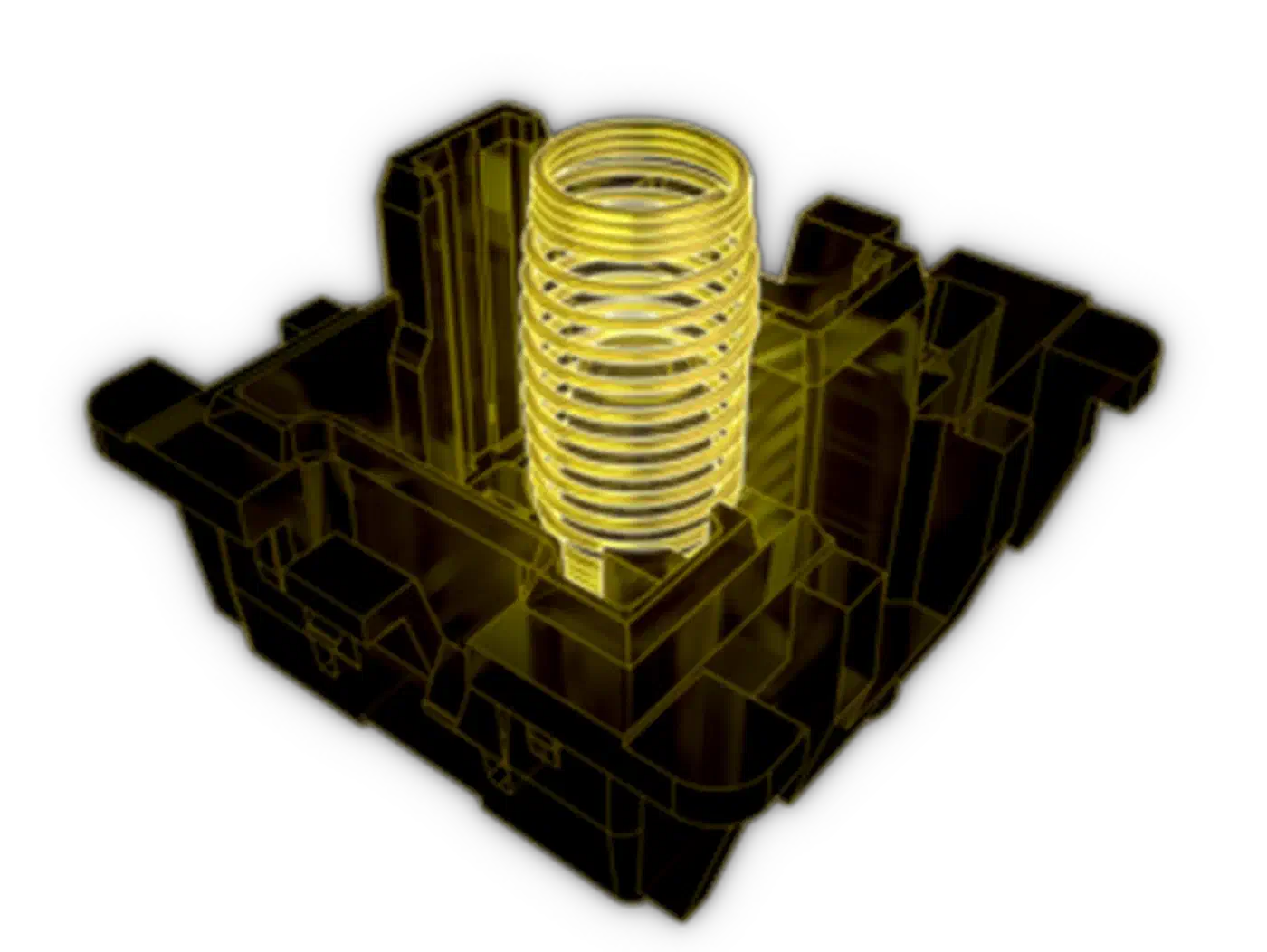
The spring change is the headline. Cherry moved from a cylindrical coil to a barrel shape, so the spring holds its form under fast keystrokes. Cherry credits that shape for removing the ping and delivering more even force.
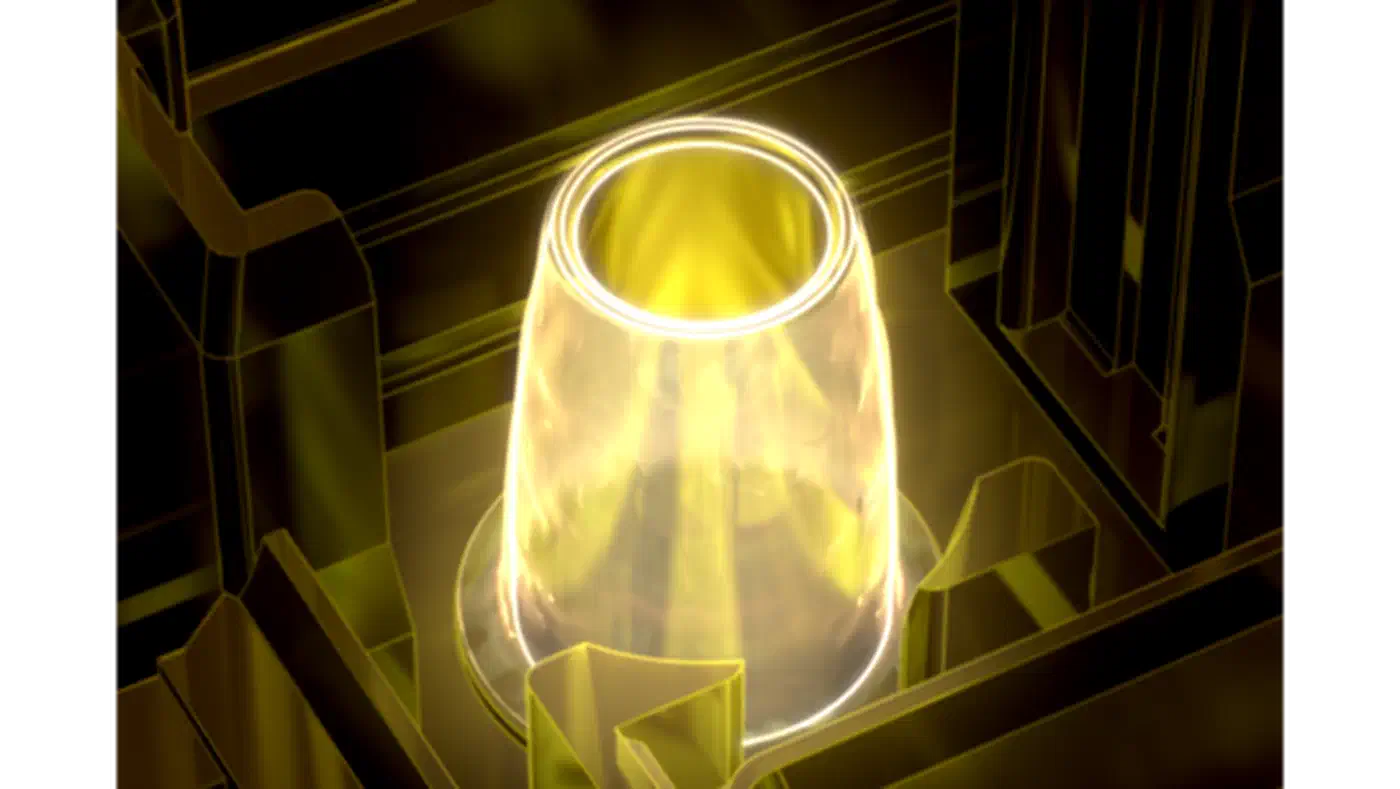
The lubrication is the other big one. Instead of grease smeared across the whole switch, an automated process places a ring of lube directly on the socket dome in the bottom housing. Cherry says its grease behaves like the community favourite Krytox GPL 205 Grade 0. As a result the contact point stays smooth without the mess of a hand-lubed switch.
Which changes can a typist feel?
Five engineering changes do not turn into five things your fingers notice. Some are audible, some are tactile, and a couple are effectively invisible outside a test bench. The ranking below is a judgement call.
Spring ping was the loudest old complaint, so the barrel spring is the change most people notice first. Wobble comes next, but you feel it through the keycap rather than hear it. Consequently it shows up most on tall keycap profiles and big keys like the spacebar.
Lubrication consistency is real but subtle. It counts more across a whole board than on any single switch, because uneven lube is what the ear picks out as one scratchy key in a row. The guidance ribs and diamond-polished dome sit at the bottom of the list. They smooth the stroke, but few typists could name the difference blind.
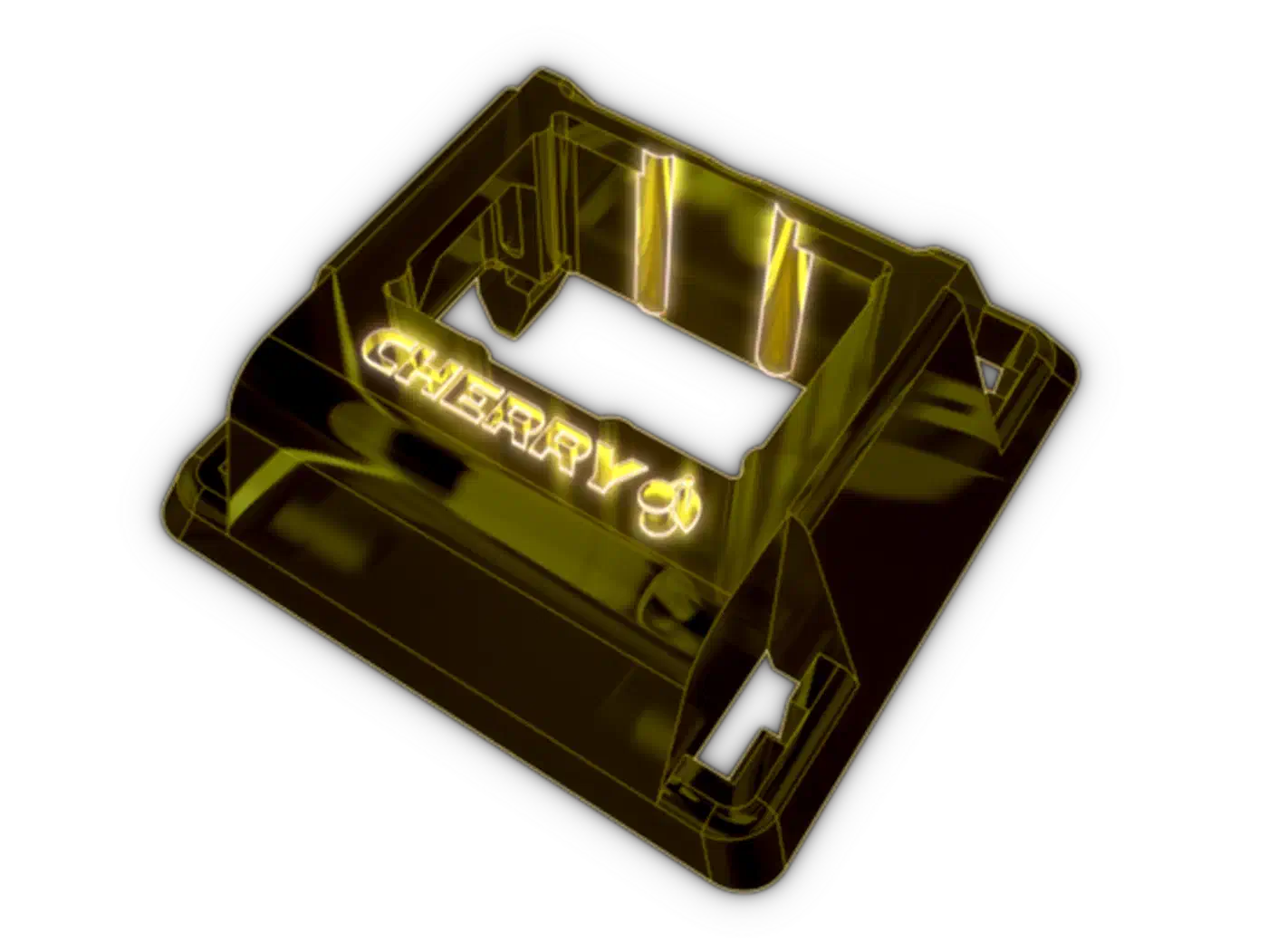
Still, be clear about the limit. None of these changes alters actuation force, travel distance, or the basic feel family. An MX2A Black keeps the heavy 60g linear feel of the original MX Black, now with less stem wobble and better consistency, per Computer Station Nation’s per-variant specs . The switch feels like a cleaner version of itself.
The lifespan claim and its footnote
Cherry rates the Gold Cross Point Contact for a lifespan beyond 100 million clicks. That number gets repeated everywhere, usually without the words that follow it. Cherry’s own phrasing is “for select switch types,” so the rating is not blanket across the whole range.
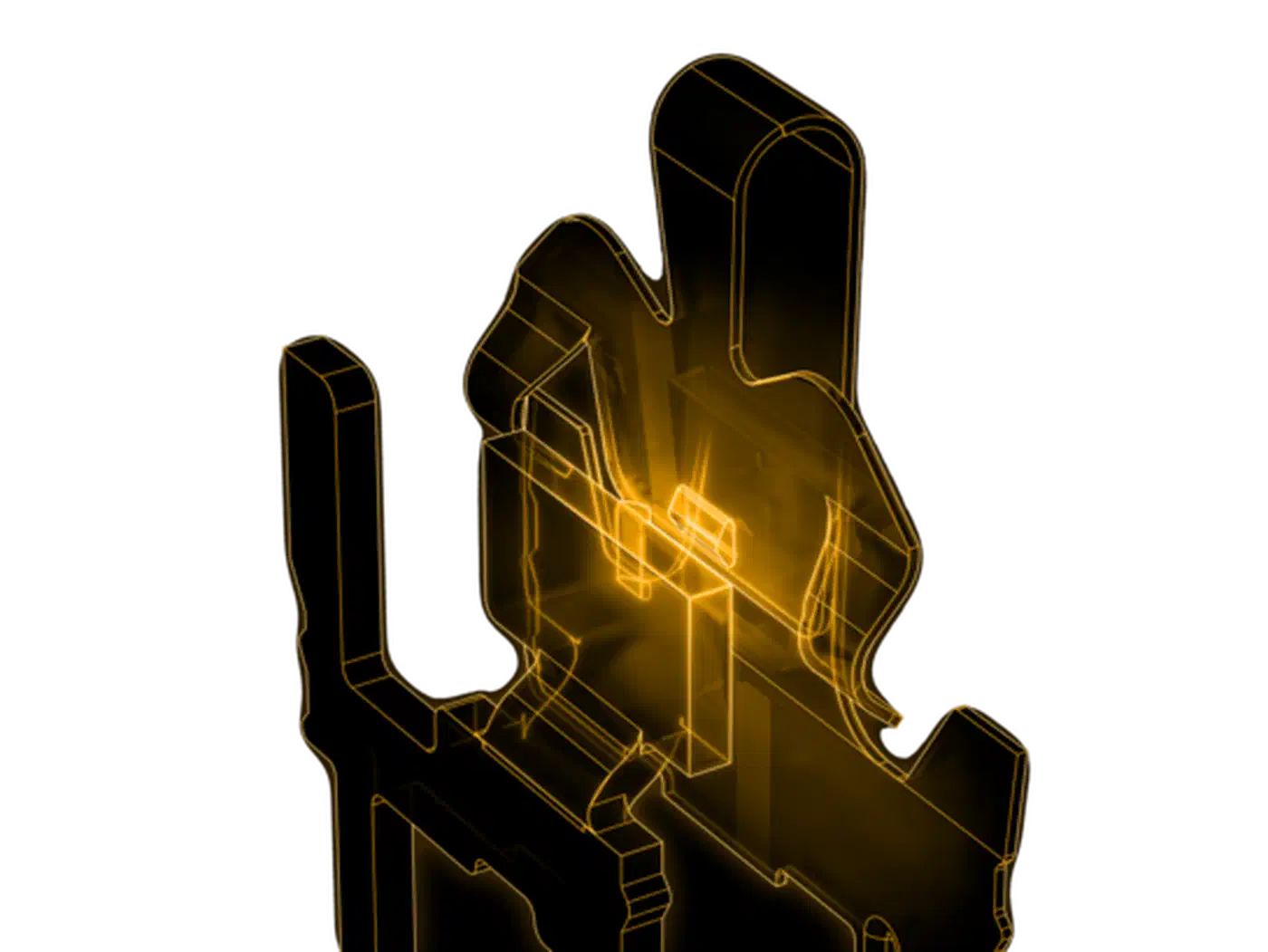
The lifespan comes from the contact design, which most reviews skip in favour of the plastic parts. Cherry uses genuine gold contacts joined by a two-point welding process. That is what carries the long click life and a debounce time under 1 ms. The stem and housing wear far more slowly than the electrical contact, so the contact sets the limit.
In plain terms, 100 million clicks is a lot. A heavy typist might hit a few million keystrokes a year, so even the busiest keyboard would take decades to reach that ceiling. The gap this post cannot close is which exact variants earn the full rating. Cherry does not publish that list in its MX2A breakdown, so treat 100 million as a best-case figure that may not cover every switch on the shelf.