

Samsung dropped the zoom lens from the Galaxy Z Fold 8
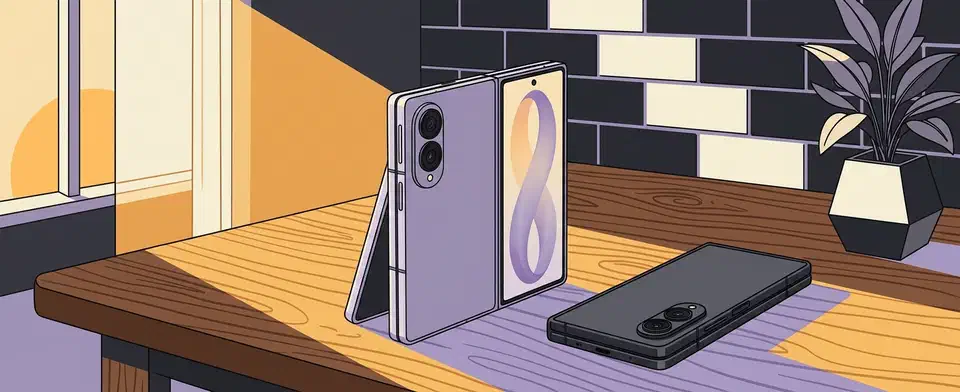
The $1,900 Galaxy Z Fold 8 ships with just two rear cameras. The 3x optical zoom that came on the Fold 7 now costs $200 extra, on the Fold 8 Ultra. In exchange you get the lightest, widest and flattest Fold that Samsung has built.
Key Takeaways
- The $1,900 Fold 8 has no zoom lens, just wide and ultrawide.
- Paying $200 more for the Ultra buys back 3x zoom and a 200MP camera.
- Tom’s Guide shot both phones and says the zoom gap is not worth $200.
- At 201g it is the lightest Fold Samsung has made.
- Seven years of updates beats what most phones offer at any price.
Galaxy Z Fold 8 price and what you get
The standard Fold 8 starts at $1,900 for 256GB in the US, with 512GB and 1TB above that. Only the 1TB trim carries 16GB of RAM; the rest ship with 12GB. Europe pays about €2,000 and the UK £1,699.
The Fold 8 Ultra sits $200 higher at $2,099. Samsung sells it alongside the standard model, so both sit on the shelf at the same time. The chip, the software and the update promise are identical.
| Spec | Galaxy Z Fold 8 | Galaxy Z Fold 8 Ultra |
|---|---|---|
| Price (256GB) | $1,900 | $2,099 |
| Main camera | 50MP f/1.8 OIS | 200MP |
| Telephoto | none | 10MP, 3x optical |
| Ultrawide | 50MP f/1.9 | 50MP |
| Inner screen | 7.6-inch, 4:3 | 8-inch |
| Cover screen | 5.5-inch | 6.5-inch |
| Battery | 4,800mAh | 5,000mAh |
| Chipset | Snapdragon 8 Elite Gen 5 for Galaxy | Snapdragon 8 Elite Gen 5 for Galaxy |
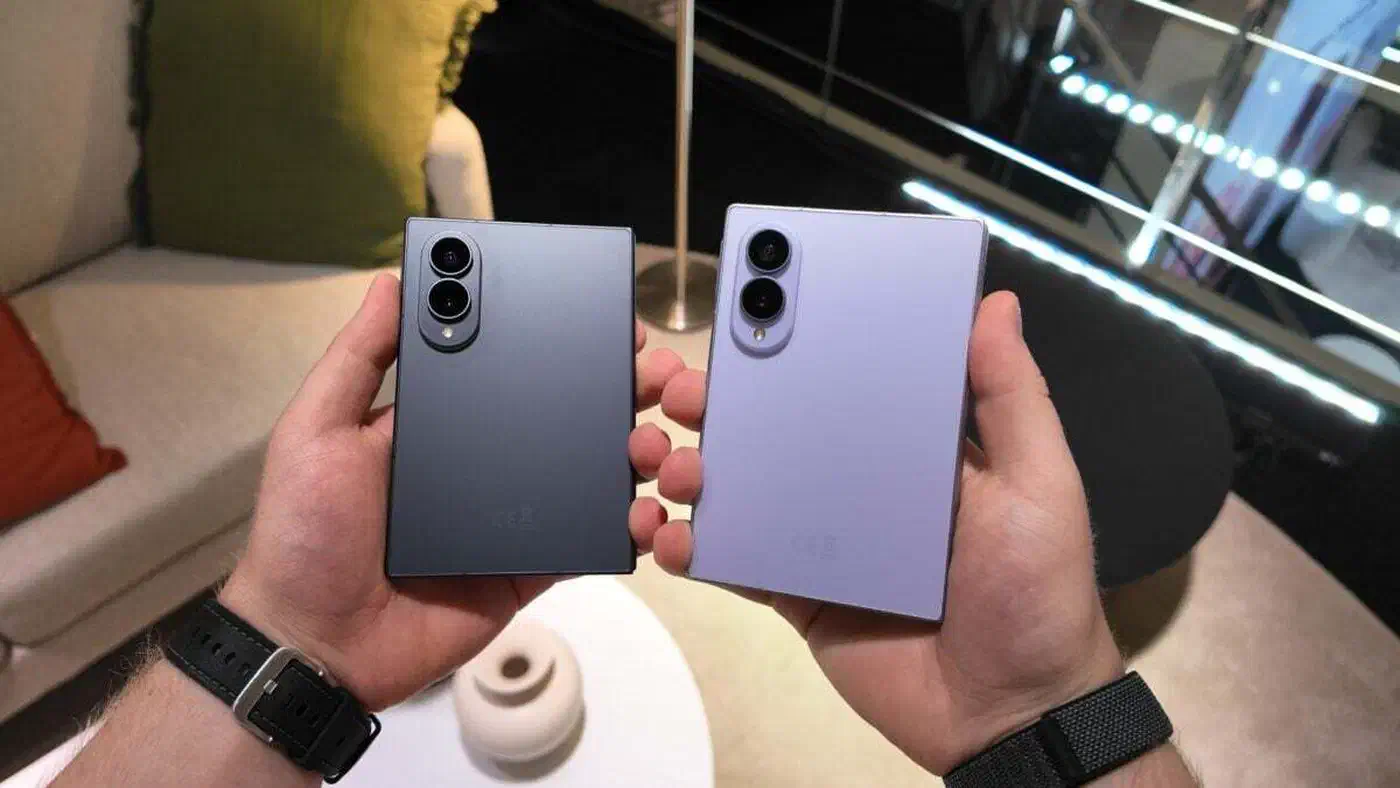
On paper the Ultra is the real heir to the Fold 7, and the phone wearing the Fold 8 badge is a new shape doing a different job, which makes the naming confusing.
The missing telephoto lens is the real story
The rear of the Fold 8 holds a 50MP main camera with OIS and a 50MP ultrawide with a 120-degree view. There is no third lens. Digital zoom tops out at 10x, against 30x on the Ultra, which adds a 10MP 3x telephoto and a 200MP main sensor.
The Fold 7 carried a 200MP main and a real zoom lens, so XDA called the two-camera setup a clear downgrade from last year’s phone. On a $1,900 device that is a hard thing to defend.
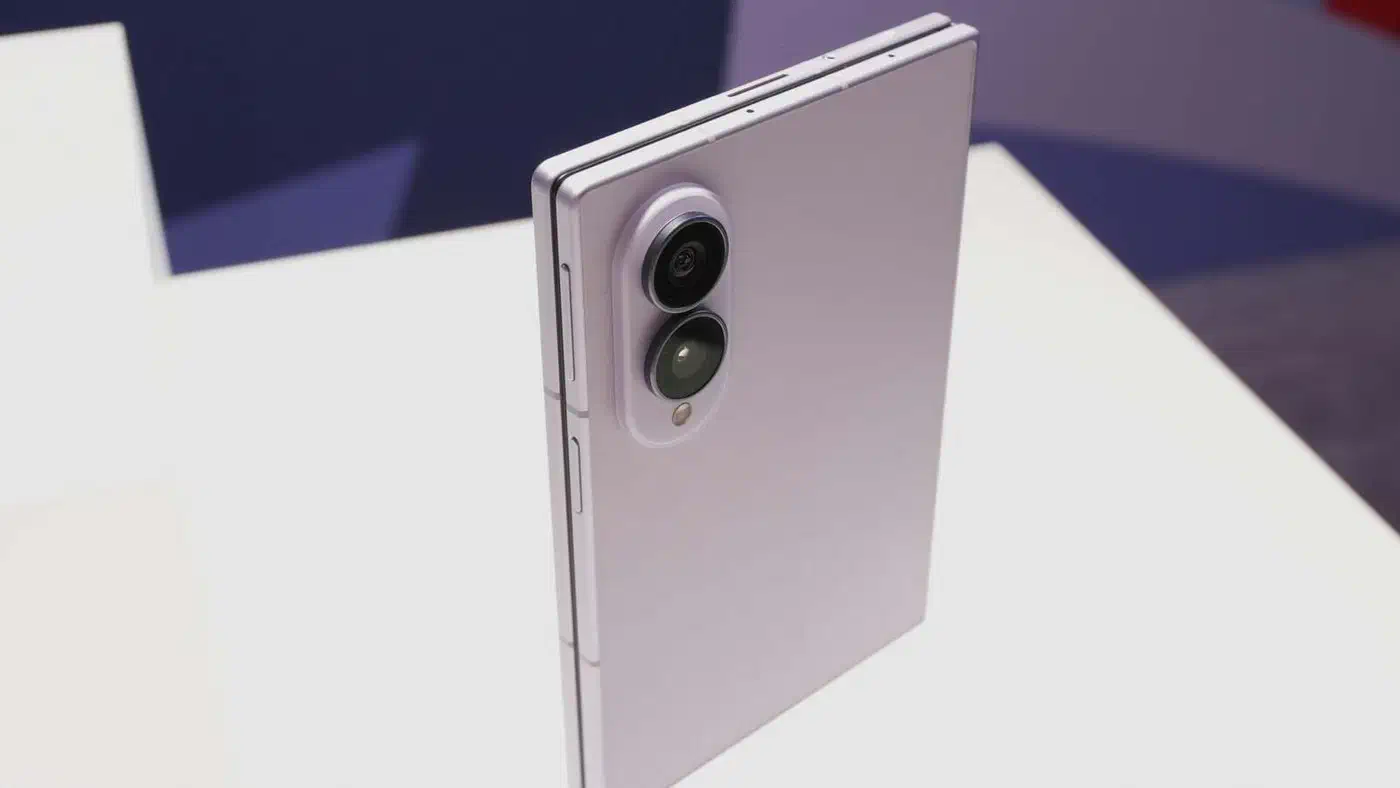
Tom’s Guide’s Mark Spoonauer shot the same scenes on both phones and found the two nearly level at 3x and 4x. At 10x the Ultra pulled ahead on signs, text and fine detail, though neither result was clean.
Having a dedicated telephoto lens certainly helps, but the difference was not as dramatic as I was expecting. And to me this difference alone is certainly not worth paying an extra $200 for.
Cropping a 50MP frame covers casual 2x reach perfectly well. Push past that and the image softens fast. If you shoot concerts, sport, or a kid at the far end of a field, the reach is worth buying; otherwise the standard phone holds up.
Video is unchanged either way: 4K at 60fps, 8K at 30fps, HDR10+ and Super HDR. Both screens carry a 10MP f/2.2 selfie camera.
Is the crease finally gone?
Samsung’s fix this year is a titanium film under the panel, part of what the company calls Flex Titanium. The film is micro-etched and laser-cut so sheet metal can survive being folded. An anti-reflective coating on the inner display handles glare on top of that.
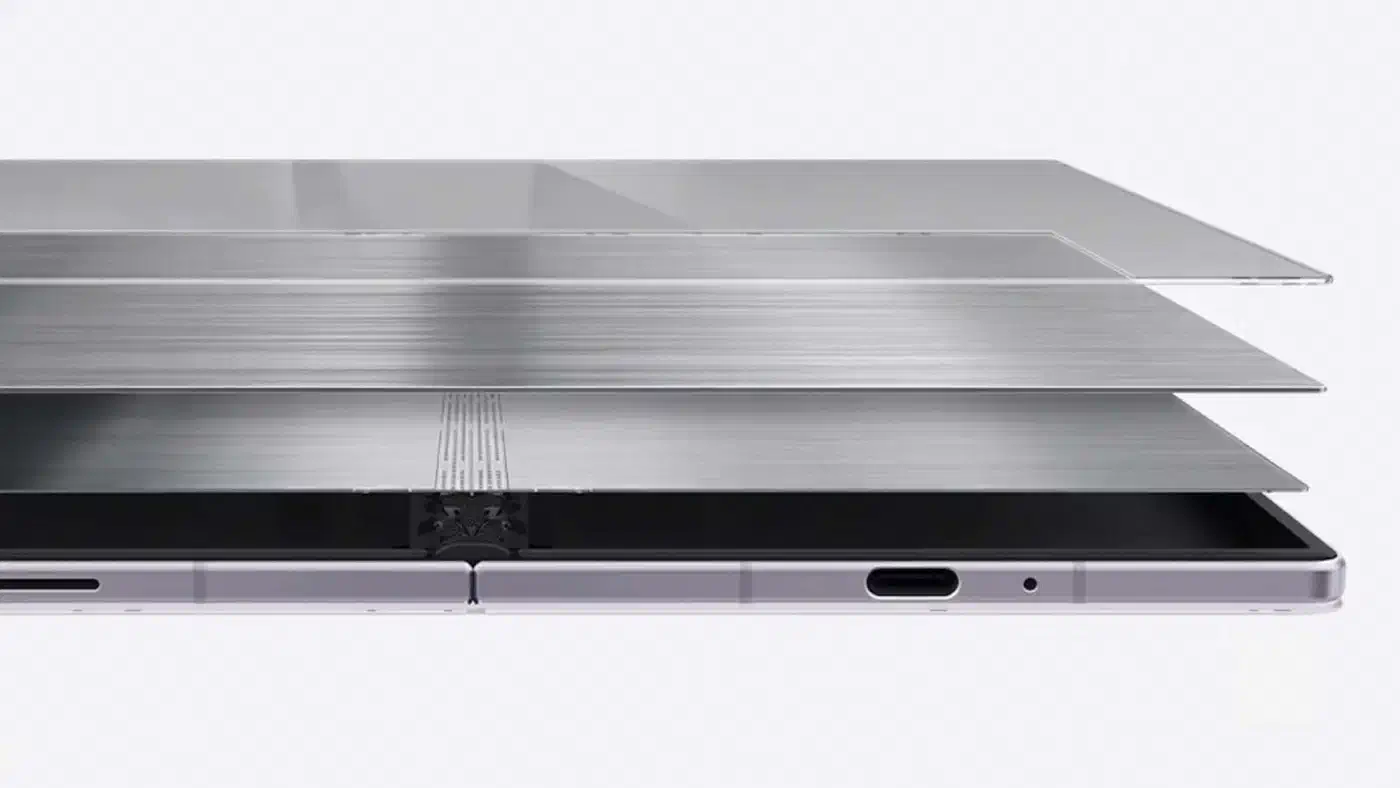
T3’s Mike Lowe used the phone for a full working week and described a display that snaps flat and hides its seam from normal viewing angles.
I found the Z Fold 8 satisfyingly ‘snaps’ into position when unfolded, the crease barely visible from a front-on viewpoint and only marginally present when viewing at more acute angles.
Android Police reported that after ten days of regular folding the crease had not changed. That is a useful early signal, but ten days is nothing against a phone Samsung backs for seven years. The crease is reduced rather than eliminated, and anyone hunting for the seam at an angle will still find it.
The snappy hinge has a side effect, though. The Fold 8 will only sit fully open or fully closed, where the Ultra holds intermediate angles.
The new wider shape changes how it feels closed
Folded, the Fold 8 measures 81.9 x 123.9 x 9.7mm, which is roughly a passport. Open it and you get 161.4 x 123.9 x 4.5mm. At 201g it is the lightest Fold Samsung has shipped, and reviewers report barely noticing it in a pocket.
The 5.5-inch cover screen is short and wide, so the keyboard is usable closed and ordinary apps run without looking squeezed. That fixes the oldest complaint about book-style foldables, which is that the closed phone feels like a TV remote.
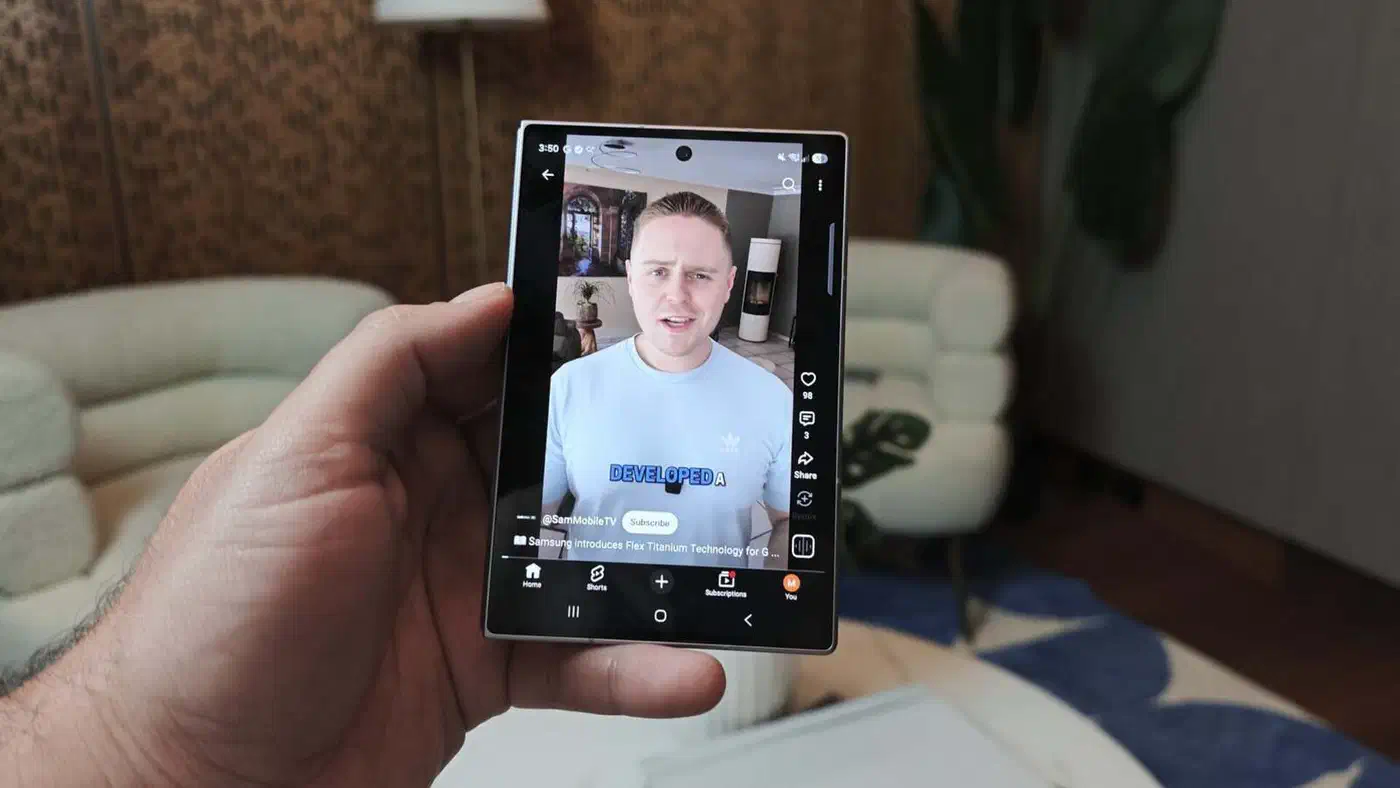
Inside sits a 7.6-inch panel at a 4:3 ratio, closer to an iPad than a phone. It runs 120Hz with a 3,000 nit peak, and the new ratio is inviting enough that the phone gets opened more often.
Gorilla Glass Ceramic 3 protects the cover display, and the phone carries an IP48 rating for dust and water. Android’s handling of the switch between screens is still rough: many apps restart when you unfold, though Gmail and WhatsApp adapt cleanly into a two-pane layout.
Battery, charging and seven years of updates
The 4,800mAh cell is Samsung’s first silicon-carbon battery, which is how a 4.5mm phone gets that capacity. Charging runs at 45W wired and 20W wireless with Qi2 support. The Ultra carries 5,000mAh.
T3 reported 16-hour days with six hours of screen time and 15% left at bedtime. Samsung quotes 26 hours of continuous playback, though hard use of YouTube over Wi-Fi lands closer to 11.
The Fold 8 is rated for 1,200 charge cycles, down from 2,000 on the Fold 7. That is a 40% drop in rated battery life on a phone sold with a seven-year support promise. The two claims sit awkwardly together.
Software is Android 17 with One UI 9 on a Snapdragon 8 Elite Gen 5 for Galaxy. Seven years of updates works out to about $271 a year on a $1,900 phone. An $800 flagship with four years of support costs $200 a year. The Fold is still the pricier ride, just less absurdly so than the sticker suggests.
Who should buy the Galaxy Z Fold 8?
Buy the standard Fold 8 if you want the lightest and widest Fold and you rarely zoom past 2x. It is the better-shaped phone and the cheaper one. An Android Authority poll of more than 1,000 people gave it 59% of the vote, against roughly 26% for the Ultra.
Buy the Ultra if long reach is part of how you shoot, or if you want the 8-inch inner screen and the bigger battery.
Skip both if you own a Fold 7 and lean on its telephoto. On cameras the standard Fold 8 is a sideways move at best. And if $1,900 is the absolute most you can spend, a slab flagship buys a much better camera system for the same money.
Folding phones are still rare. Fewer than one in a hundred phones sold in 2026 folds at all, so buying one means accepting a small accessory market and fewer cases on the shelf. This is the best Fold hardware Samsung has built, sold with an asterisk stuck to the camera bar.