

All five ingredients in PLA Pure clear EU 10/2011 rules

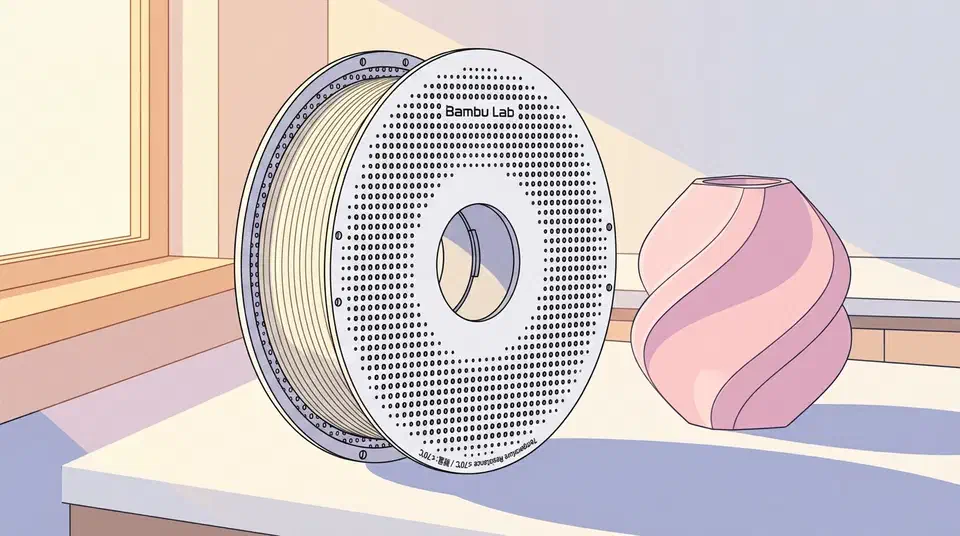
PLA Pure food-contact safety comes from an unusual step: Bambu Lab checks all five of its ingredients against EU 10/2011, the European food-contact plastics rule, verifying each one on the approved-substance list instead of testing a single finished spool. Still, that paperwork covers the filament, not the cup you print with it.
Key Takeaways
- All five PLA Pure ingredients pass EU 10/2011, checked one by one.
- Most “food-safe” filaments only test the finished spool, not each ingredient.
- The paperwork covers the filament, not the cup you print with it.
- Layered prints trap bacteria, so skip liquids, heat over 60°C, and dishwashers.
- PLA Pure also passed toy-safety and clean-air lab tests.
What does EU 10/2011 food-contact certification cover?
EU 10/2011 is the European Union rule for plastics meant to touch food. It keeps a “positive list” of substances allowed in those plastics. A material is compliant when everything in it appears on that list within the set limits.
PLA Pure works differently. Bambu Lab verifies every ingredient against the list on its own, from the base resin to the color pigments. Each one carries a Food Contact Material (FCM) substance number, a catalog ID that ties the substance to its entry on the approved list.
Most filaments sold as food-contact safe take a different route. They test one finished spool, and that single sample stands in for the whole recipe. The Bambu Lab launch release says PLA Pure checks each ingredient before they are ever mixed.
The claim still has limits. EU 10/2011 compliance describes the plastic and its parts, and by itself says nothing about whether a given printed object is safe to eat from.
The five ingredients and who supplies them
Here is the full recipe, straight from the release:
- Polylactic acid (PLA), derived from corn and sugarcane.
- Acrylic copolymer, the kind found in children’s toys.
- Color pigments, also used in baby tableware.
- EBS (ethylene bis-stearamide), familiar from food-packaging films.
- Talc, used in products like biodegradable straws, third-party tested and verified asbestos-free.
Keeping the formula to five food-safe ingredients took real work. Bambu Lab dropped the impact modifiers and flow agents that most filaments lean on. Then it rebuilt the chemistry so the base materials alone extrude cleanly. The named suppliers are TotalEnergies Corbion, Dow, Chemours, and BASF. That list is what turns an ingredient list into a real chain of custody.
Bambu also makes performance claims worth reporting plainly. The company says PLA Pure strings less even without drying first, needs less cleanup, and matches PLA Basic in strength and layer bonding. Treat those as vendor claims, not independent test results, since both launch sources trace them back to Bambu.
Cleaner air at the desk: UL 2904 GREENGUARD and the emissions test
Desktop printers now run in kitchens, bedrooms, and rooms with kids and pets. So indoor air quality is a serious buying consideration. PLA Pure carries UL 2904 GREENGUARD certification. That standard measures the fine particles and VOC fumes a 3D printer gives off indoors.
An accredited lab ran a four-hour print. PM2.5 and PM10 levels came in below a rival filament run the same way. They also fell below what a normal kitchen, living room, or office already holds. The 3D Printing Industry launch report lists those emissions results.
One condition sits behind the number. Testing ran on Bambu’s A1 and A2L open-deck printers, with no enclosure and no filtration. That open setup is the worst case, so a low reading there carries real weight.
For context, Bambu’s own PLA Basic already carries the same air-quality rating. PLA Pure’s cleaner mix pushes emissions lower still. Fresh air is a good idea either way.
Toy safety: what EN 71-3 promises and what it does not
PLA Pure also passed EN 71-3, the European standard for how much of certain elements can migrate out of toy materials. Its core worry is heavy metals like lead, cadmium, and chromium. The test checks whether they can leach out when a child handles, mouths, or swallows a part.
Passing it clears the material for models meant to be handled and played with, such as a toy kitchen plate, a small car, or a cat toy. That is a documented safety floor for the plastic itself.
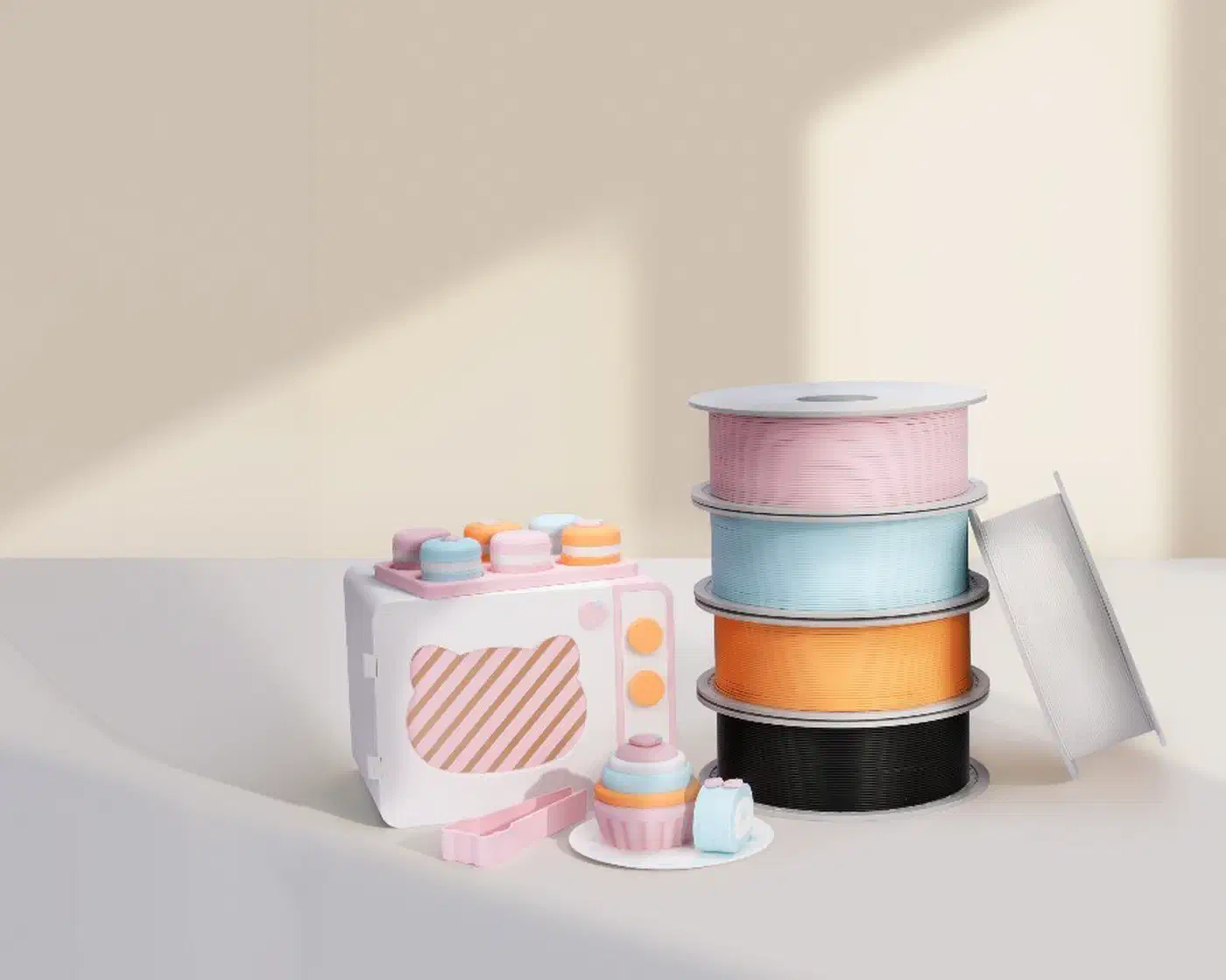
Common-sense limits still apply. Small parts and support structures can be choking hazards. Edges may be sharp, and the material still burns. So the test clears the material rather than every toy design you might print from it. Model choice and adult supervision still count.
Is a 3D-printed cup food safe?
The certifications are real and rigorous, yet they stop at the filament. The printed object brings in new risks the paperwork never covered.
The weak link is the print itself. FFF prints are built in layers, and that layered surface leaves microscopic grooves. Those grooves trap food residue and bacteria and resist cleaning, which is why layered prints are a poor fit for liquid foods.
Two hard limits repeat across the sources. PLA should not go above 60°C, and dishwasher use is not recommended, because heat and long soaks break the part down. Together they rule out hot drinks, hot food, and machine washing.
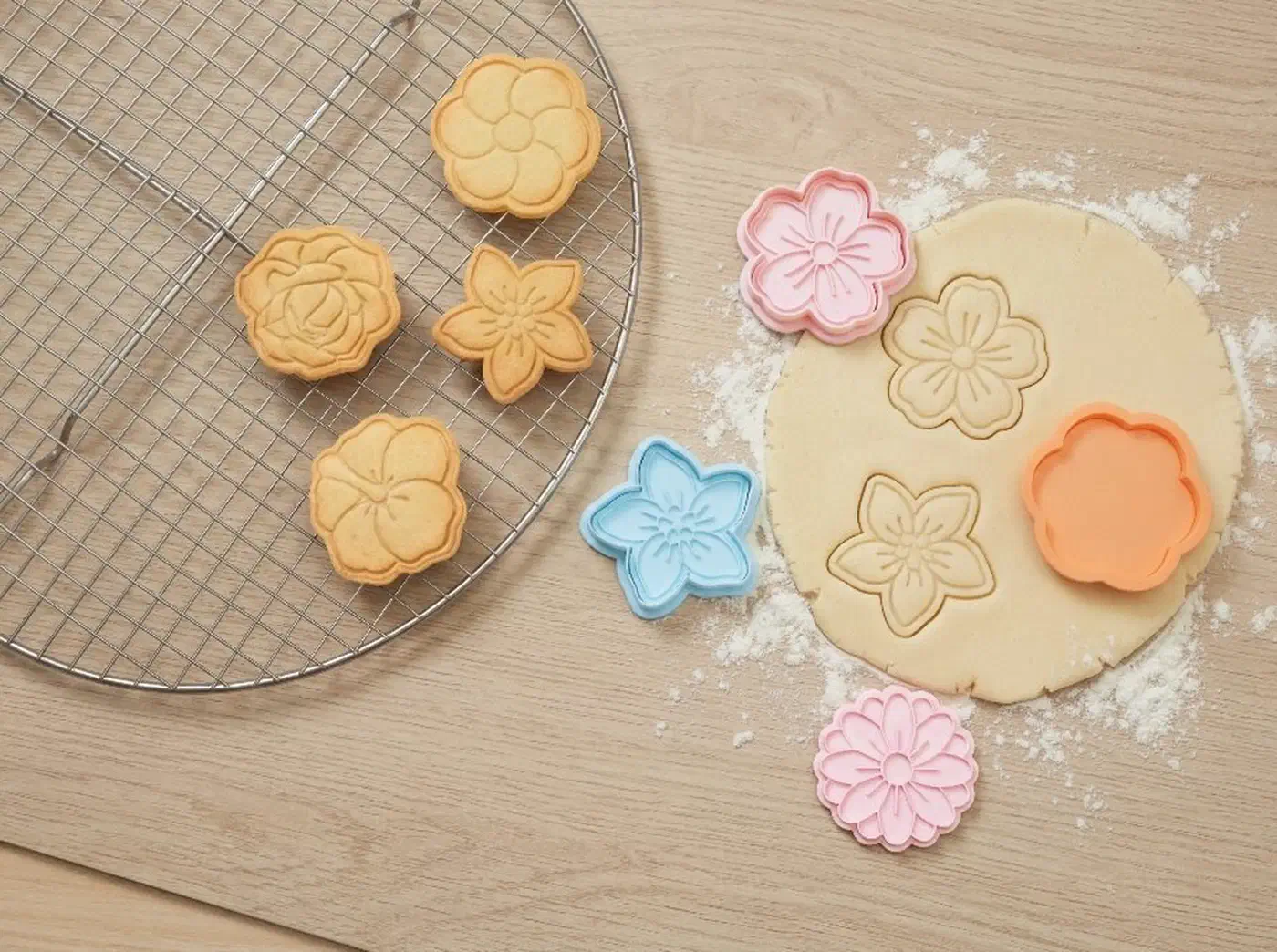
A maker who still wants food-adjacent prints should lean toward dry, single-use, or short-contact items over cups and bowls. Cookie cutters, biscuit stamps, and dry-goods scoops are the safe lane. Keep the nozzle clean, and treat a printed piece as a mold or tool rather than tableware wherever you can.
How PLA Pure compares on verification
| Filament | Verification level | Standards named | Suppliers named |
|---|---|---|---|
| PLA Pure | Each of 5 ingredients on the EU 10/2011 list | EU 10/2011, UL 2904 GREENGUARD, EN 71-3 | Yes: TotalEnergies Corbion, Dow, Chemours, BASF |
| Typical “food-safe” filament | Finished spool sample only | Often one food-contact claim | Rarely |
| Bambu PLA Basic | Not ingredient-level food-contact | UL 2904 GREENGUARD | No |
The upstream, ingredient-by-ingredient method is the one thing a finished-spool test cannot match.
At the official store, PLA Pure runs $24.99 with a reusable spool and $21.99 as a refill. Per-roll bulk pricing drops toward $14.99 on larger orders. Colors at launch include Pure White, Absolute Black, Baby Blue, Apricot, and Milky Pink. Bambu is not the first to try this. 3D Printing Industry notes Filaments.ca did similar work with its True Food Safe PLA, built on FDA-approved raw materials and per-batch tracking.
PLA Pure hands you a fully documented, unusually well-verified material. The safety of the object you make with it is still your call, and it comes down to design and use rather than the certificate on the spool.